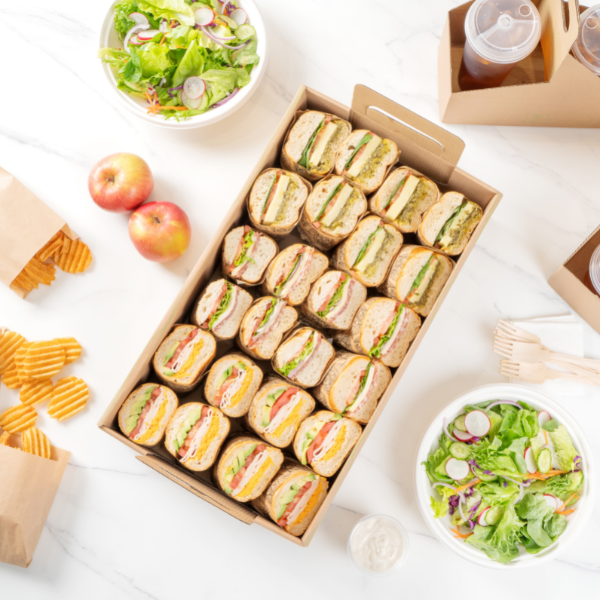
Looking to go green in your restaurant? Find out the eco-friendly foodservice solutions needed to make your cafe, bakery, or food truck sustainable. As sustainability continues to be a rising trend in the food and beverage industry, it’s more important than ever to take the necessary steps into making your establishment environmentally-friendly. We provide a variety of helpful articles, guides, and resources on how to simplify your restaurant’s approach to sustainability and improve your business’ environmental impact.

Our informative articles keep you updated on the latest restaurant sustainability trends, the best kitchen products for commercial use, ideas on how to create an eco-friendly cafeteria, and other eco-friendly topics. Learn all about the environmental issues affecting restaurants, why restaurants should go green, and how to create a sustainable menu. If you need help in taking the initiative to make your foodservice establishment completely eco-friendly or want to improve the sustainable aspects already set in place, our resources cover the essential topics to make the transition into a greener business easier.

  • packing a parcel with custom packaging

    How to Enhance Brand Identity Through Custom Packaging

    Custom packaging has become a powerful branding tool in the modern foodservice industry. Beyond protecting food and supporting delivery operations, packaging now plays a major role in shaping customer perception, increasing brand recognition, and creating memorable dining experiences. From custom printed take out containers to branded paper bags and beverage cups, thoughtful packaging design helps businesses stand out in competitive markets. In this guide from Restaurantware, explore how custom packaging can strengthen brand identity, improve customer experience, and support long-term marketing and customer loyalty strategies. Summary Custom packaging helps improve brand recognition and customer recall Consistent packaging design strengthens professionalism and presentation Branded packaging can enhance customer experience and social media visibility Sustainable packaging choices can reinforce eco-conscious brand values Functional and visually appealing packaging supports both operations and marketing Table of contents Summary Why Custom Packaging Matters In Foodservice How Packaging Influences Brand Perception Key Elements Of Effective Custom Packaging The Role Of Sustainable Packaging In Brand Identity How Custom Packaging Supports Marketing And Customer Loyalty Best Practices For Designing Custom Packaging FAQs About Custom Packaging And Branding Why Custom Packaging Matters In Foodservice Packaging is often one of the first physical interactions customers have with a restaurant or foodservice brand. Whether customers receive a takeout order, delivery meal, or beverage cup, packaging contributes directly to their overall impression of the business. Custom packaging helps businesses: Increase brand visibility Differentiate from competitors Improve presentation consistency Reinforce brand messaging Create more memorable customer experiences For example, a café using branded coffee cups, custom pastry boxes, and coordinated paper bags creates a more cohesive and professional experience than businesses using generic packaging. In delivery-focused operations, packaging may become one of the only visible brand touchpoints customers interact with directly. As a result, custom packaging plays a growing role in customer engagement and long-term brand recognition. How Packaging Influences Brand Perception Customers often associate packaging quality and design with food quality and professionalism. Packaging that feels thoughtful, visually appealing, and functional can positively influence customer perception. Strong custom packaging communicates: Professionalism Attention to detail Brand consistency Product quality Customer care For example, a bakery using custom printed cake boxes with branded stickers and coordinated colors may appear more premium and established than competitors using plain packaging. Packaging aesthetics also influence customer behavior online. Attractive custom packaging is more likely to appear in: Social media posts Customer photos Online reviews User-generated content This visibility can help businesses expand brand reach organically. Restaurantware offers customizable food packaging solutions designed to support branding, presentation, and operational functionality for modern foodservice businesses. Key Elements Of Effective Custom Packaging Successful custom packaging combines branding, functionality, and customer convenience. Consistent Brand Colors And Logos Using consistent: Colors Logos Typography Visual elements helps customers recognize your brand more easily across packaging formats. Functional Packaging Design Packaging should support: Food protection Leak resistance Portability Temperature retention Customer convenience Visually appealing packaging that fails during transport can negatively affect customer experience. Packaging Material Selection Material choices influence both presentation and brand perception. Common options include: Kraft paper packaging Compostable containers Recyclable beverage cups Branded plastic containers Sustainable disposable tableware The right materials should align with operational needs and brand identity. Minimalist And Modern Design Many businesses are moving toward clean, modern packaging aesthetics that emphasize: Simplicity Sustainability Premium presentation Minimalist packaging designs often create a more polished and contemporary brand image. The Role Of Sustainable Packaging In Brand Identity Sustainability has become an increasingly important part of brand perception in foodservice. Customers often pay attention to whether businesses use eco-friendly packaging and sustainable disposable products. Sustainable custom packaging can reinforce: Environmental responsibility Modern brand values Customer trust Long-term brand loyalty Examples of sustainable branding elements include: Compostable take out containers Recyclable packaging materials Eco-friendly paper bags Minimal packaging waste For example, a restaurant highlighting sustainable packaging initiatives through branded compostable containers may appeal more strongly to environmentally conscious customers. Businesses that integrate sustainability into packaging design often strengthen both customer perception and competitive positioning. How Custom Packaging Supports Marketing And Customer Loyalty Custom packaging functions as a form of passive marketing that extends beyond the restaurant itself. Branded packaging can: Increase customer recall Encourage repeat purchases Improve delivery presentation Support word-of-mouth marketing Strengthen social media visibility For example, custom beverage cups carried through busy urban areas can increase brand exposure throughout the day. Packaging can also reinforce customer loyalty by creating a more consistent and memorable experience across dine-in, takeout, and delivery services. In many cases, customers associate thoughtful packaging design with higher-quality service and greater professionalism. Best Practices For Designing Custom Packaging Businesses developing custom packaging should focus on balancing branding, functionality, and operational efficiency. Consider the following best practices: Maintain consistent branding across all packaging Choose packaging materials suited for menu items Prioritize durability and convenience Use sustainable materials where possible Keep packaging visually clean and easy to recognize Test packaging performance before large-scale rollout Businesses should also consider how packaging will appear: In delivery settings On social media During transport In customer photographs Well-designed custom packaging should support both operational performance and brand storytelling. FAQs About Custom Packaging And Branding Q: Why is custom packaging important for restaurants? A: Custom packaging helps improve brand recognition, customer experience, and presentation consistency while supporting marketing efforts. Q: How does packaging affect customer perception? A: Customers often associate packaging quality and design with food quality, professionalism, and overall brand value. Q: What are examples of custom food packaging? A: Examples include branded take out containers, printed paper bags, custom beverage cups, branded labels, and personalized food packaging sleeves. Q: Does sustainable packaging improve brand identity? A: Yes. Eco-friendly packaging can strengthen customer trust and demonstrate environmental responsibility. Custom packaging has become an essential part of modern foodservice branding and customer experience. By combining thoughtful design, functionality, and sustainability, businesses can create packaging that strengthens brand identity while supporting operational efficiency and customer loyalty. Explore Restaurantware’s collection of customizable food packaging solutions designed to help restaurants, cafes, catering businesses, and delivery operations enhance presentation, visibility, and customer experience.

    Read More

  • cups, straws, takeout boxes

    Balancing Cost and Quality in Disposable Products

    Disposable products are essential to modern foodservice operations, supporting everything from takeout and delivery to catering and dine-in convenience. However, balancing cost and quality in disposable products can be challenging for restaurants, cafes, food trucks, and catering businesses. While lower-cost disposables may help reduce short-term expenses, poor-quality products can negatively affect food presentation, operational efficiency, and customer satisfaction. In this guide from Restaurantware, explore how foodservice businesses can balance cost and quality when selecting disposable products, the factors that influence product performance, and strategies for making cost-effective purchasing decisions without compromising customer experience. Summary Disposable product quality directly impacts customer experience and operational efficiency Lower-cost products may lead to leaks, breakage, and inconsistent food presentation Choosing versatile and durable disposables can improve long-term value Sustainable disposable products can support both brand perception and operational goals Balancing cost and quality requires evaluating functionality, durability, and overall business needs Table of contents Summary Why Disposable Product Quality Matters The Hidden Costs Of Low-Quality Disposables Factors That Affect Disposable Product Performance How To Balance Cost And Functionality Sustainable Disposable Products And Long-Term Value Best Practices For Choosing Disposable Products FAQs About Disposable Product Costs And Quality Why Disposable Product Quality Matters Disposable products play a major role in foodservice operations and customer experience. From take out containers and beverage cups to disposable cutlery and napkins, these products influence food presentation, portability, convenience, and perceived brand quality. Poor-quality disposable products can create operational challenges such as: Food leaks Container breakage Temperature loss Customer complaints Increased product waste For example, flimsy take out containers that collapse during transport may damage food presentation and negatively affect customer satisfaction. Similarly, poorly insulated beverage cups may fail to maintain drink temperature, reducing the overall dining experience. High-quality disposable products help businesses maintain consistency while supporting food safety and operational efficiency. The Hidden Costs Of Low-Quality Disposables Lower upfront pricing does not always translate into long-term cost savings. In many cases, inexpensive disposable products can create hidden operational expenses. Increased Product Waste Weak or poorly designed products may require double packaging or replacement during service. Customer Dissatisfaction Leaks, spills, or damaged packaging can negatively impact reviews and repeat business. Higher Operational Inefficiencies Employees may spend additional time handling packaging failures or repackaging orders. Brand Perception Challenges Customers often associate packaging quality with overall food quality and professionalism. Imagine a delivery-focused restaurant using low-cost containers that frequently leak during transport. While the initial packaging expense may appear lower, refund requests, replacement orders, and negative customer experiences can increase overall operational costs significantly. Balancing disposable product quality with purchasing efficiency helps businesses avoid these long-term issues. Factors That Affect Disposable Product Performance Not all disposable products are designed for the same applications. Product performance depends on several important factors. Material Type Common disposable product materials include: Plastic Paper Aluminum Sugarcane fiber Compostable bioplastics Each material offers different benefits related to durability, insulation, sustainability, and moisture resistance. Food Type Compatibility Certain foods require specialized packaging solutions. For example: Hot foods may need insulated containers Fried foods benefit from ventilated packaging Sauced dishes require leak-resistant containers Selecting the wrong disposable product can reduce food quality during transport or storage. Product Durability Durability affects: Stackability Transport stability Customer handling Overall presentation Higher-quality disposable products often provide better structural support and reliability. Operational Environment Takeout-heavy businesses may prioritize portability and leak resistance, while catering operations may focus more on presentation and serving convenience. Understanding operational needs helps businesses choose the most effective disposable products for their service style. How To Balance Cost And Functionality Finding the right balance between affordability and product quality requires strategic purchasing decisions. Standardize Packaging Where Possible Reducing the number of packaging variations can improve inventory efficiency and lower purchasing costs. Choose Multi-Purpose Products Versatile containers that work across multiple menu items can reduce unnecessary inventory expansion. Examples include: Deli containers Hinged containers Portion cups Purchase In Bulk Bulk purchasing can help reduce per-unit costs while improving inventory consistency. Test Products Before Full Implementation Businesses should evaluate packaging performance under real service conditions before committing to large orders. Testing factors may include: Leak resistance Heat retention Durability during transport Customer handling experience Restaurantware offers disposable packaging and tableware solutions designed to support operational efficiency, durability, and food presentation across various foodservice applications. Sustainable Disposable Products And Long-Term Value Sustainable disposable products are becoming increasingly important as customers and businesses prioritize environmentally responsible practices. Eco-friendly disposables may include: Compostable take out containers Recyclable beverage cups Sustainable cutlery Paper-based packaging solutions While some sustainable products may involve higher upfront costs, they can contribute to: Improved brand perception Customer loyalty Reduced environmental impact Compliance with evolving sustainability regulations Customers increasingly appreciate businesses that invest in environmentally conscious packaging and disposable solutions. Balancing sustainability with cost and functionality allows businesses to support both operational goals and customer expectations. Best Practices For Choosing Disposable Products Businesses selecting disposable products should evaluate more than just pricing. Consider the following best practices: Match products to food type and service style Prioritize durability and leak resistance Compare long-term operational costs, not just upfront pricing Balance sustainability with performance requirements Test products under real delivery and service conditions Purchase versatile products when possible By focusing on both functionality and value, businesses can make smarter purchasing decisions while maintaining consistent customer experiences. FAQs About Disposable Product Costs And Quality Q: Why is disposable product quality important in foodservice? A: Disposable product quality affects food presentation, customer satisfaction, operational efficiency, and overall brand perception. Q: Are cheaper disposable products always more cost-effective? A: Not necessarily. Lower-quality products may create hidden costs through leaks, breakage, waste, and customer dissatisfaction. Q: What should businesses look for in disposable packaging? A: Businesses should evaluate durability, leak resistance, insulation, sustainability, and compatibility with menu items. Q: Are sustainable disposable products worth the investment? A: In many cases, yes. Sustainable disposables can improve customer perception and support long-term environmental and operational goals. Balancing cost and quality in disposable products is essential for maintaining operational efficiency, customer satisfaction, and consistent food presentation. While pricing is an important consideration, businesses should also evaluate durability, functionality, and long-term value when selecting disposable packaging and tableware solutions. Explore Restaurantware’s collection of disposable products designed to help restaurants, cafes, catering businesses, and foodservice operations balance performance, sustainability, and cost-effectiveness.

    Read More

  • round plates, coffee cup and cutlery

    Customer Perception: Do They Care About Your Tableware's Sustainability?

    Sustainability has become an increasingly important factor in the foodservice industry, influencing everything from packaging decisions to operational practices. But when it comes to tableware, many restaurant owners and foodservice operators still ask the same question: do customers actually care whether your plates, cups, and cutlery are sustainable? As consumer awareness around environmental impact continues growing, sustainable tableware is becoming more than just an operational choice—it is part of the overall customer experience and brand perception. In this guide from Restaurantware, explore how customers perceive sustainable tableware, why eco-friendly dining solutions matter in modern foodservice, and how businesses can use sustainable tableware to strengthen customer trust and brand loyalty. Summary Customers increasingly value sustainable dining practices and eco-friendly tableware Sustainable tableware can positively influence brand perception and customer loyalty Presentation, functionality, and sustainability all contribute to customer experience Many consumers associate eco-friendly practices with quality and responsibility Choosing sustainable tableware can support both operational goals and customer expectations Table of contents Summary Why Sustainability Matters To Modern Consumers How Sustainable Tableware Influences Customer Perception The Connection Between Sustainability And Brand Loyalty Balancing Sustainability, Functionality, And Presentation Sustainable Tableware Trends In Foodservice Best Practices For Implementing Sustainable Tableware FAQs About Sustainable Tableware And Customer Perception Why Sustainability Matters To Modern Consumers Consumer awareness surrounding environmental issues has grown significantly in recent years. Many customers now actively evaluate how businesses approach sustainability, waste reduction, and eco-friendly operations before making purchasing decisions. In foodservice, sustainability often extends beyond the food itself. Customers increasingly notice: Disposable packaging materials Plastic waste generation Recyclable or compostable products Eco-friendly tableware choices Overall environmental responsibility For example, customers dining at a café that uses compostable cups, recyclable cutlery, and sustainable tableware may perceive the business as more environmentally conscious than competitors relying heavily on traditional disposable plastics. Younger consumers in particular often prioritize sustainability when choosing restaurants, cafes, and catering services. As a result, sustainable tableware can become part of the overall dining experience and customer decision-making process. How Sustainable Tableware Influences Customer Perception Tableware directly affects how customers perceive food presentation, professionalism, and brand values. Sustainable tableware can help create a more thoughtful and modern customer experience while reinforcing environmental responsibility. Eco-friendly tableware often communicates: Attention to detail Brand transparency Environmental awareness Higher perceived quality Commitment to responsible business practices Imagine two catering businesses serving similar menus at an event. One uses standard plastic plates and cutlery, while the other uses compostable plates, bamboo utensils, and recyclable cups. Guests may naturally associate the sustainable option with higher quality and stronger brand values. Sustainable tableware can also become part of a restaurant’s visual identity, particularly when paired with cohesive packaging and presentation strategies. Restaurantware offers sustainable tableware solutions designed to support food presentation, operational functionality, and environmentally conscious dining experiences. The Connection Between Sustainability And Brand Loyalty Customer perception directly impacts loyalty and repeat business. As sustainability becomes more important to consumers, eco-friendly initiatives can help strengthen long-term customer relationships. Businesses investing in sustainable tableware may benefit from: Increased customer trust Positive online reviews Social media engagement Word-of-mouth recommendations Stronger brand differentiation Consumers often appreciate businesses that make visible efforts to reduce environmental impact. Even small changes, such as replacing plastic straws with compostable alternatives or using recyclable dinnerware, can positively influence customer perception. For example, a restaurant that highlights its use of sustainable tableware and eco-friendly takeout packaging may appeal more strongly to environmentally conscious diners looking to support responsible businesses. Balancing Sustainability, Functionality, And Presentation While sustainability is important, functionality and presentation remain essential in foodservice operations. Customers still expect tableware to be durable, practical, and visually appealing. When selecting sustainable tableware, businesses should consider: Durability and strength Heat and moisture resistance Food presentation quality Compatibility with dine-in or takeout service Disposal and recycling options Poor-quality sustainable products may negatively affect customer experience if they leak, bend, or fail during service. Balancing functionality with sustainability helps businesses maintain service standards while supporting eco-conscious operations. For example, compostable plates made from sugarcane fiber can provide both durability and sustainability for catering and takeout applications. Sustainable Tableware Trends In Foodservice As customer expectations evolve, sustainable tableware trends continue shaping the foodservice industry. Compostable And Biodegradable Materials Many businesses are transitioning toward: Sugarcane fiber products Bamboo tableware Palm leaf plates Compostable cutlery These materials help reduce dependence on traditional plastics. Minimalist And Natural Designs Eco-friendly tableware often incorporates neutral colors, kraft textures, and minimalist presentation styles that align with sustainability-focused branding. Reusable Dining Solutions Some restaurants are integrating reusable tableware systems to reduce waste and improve operational sustainability. Sustainability Transparency Customers increasingly value clear communication about: Recyclability Compostability Sustainable sourcing Waste reduction initiatives Businesses that openly communicate sustainability efforts often build stronger customer trust. Best Practices For Implementing Sustainable Tableware Transitioning to sustainable tableware requires thoughtful planning to ensure operational efficiency and customer satisfaction. Consider the following best practices: Evaluate current tableware usage and waste output Choose products that balance sustainability and durability Match tableware materials to food types and service styles Train staff on proper disposal and sustainability practices Communicate sustainability initiatives to customers Test products before full implementation Businesses should also consider local recycling and composting infrastructure when selecting sustainable tableware products. FAQs About Sustainable Tableware And Customer Perception Q: Do customers care about sustainable tableware? A: Yes. Many consumers increasingly value environmentally responsible dining practices and notice sustainable packaging and tableware choices. Q: How does sustainable tableware improve customer perception? A: Eco-friendly tableware can communicate responsibility, quality, and environmental awareness, positively influencing brand perception. Q: What materials are commonly used for sustainable tableware? A: Common materials include bamboo, sugarcane fiber, palm leaf, kraft paper, and compostable bioplastics. Q: Does sustainable tableware affect customer loyalty? A: In many cases, yes. Customers who value sustainability are often more likely to support businesses that align with their environmental values. Customer perception continues evolving alongside sustainability expectations in the foodservice industry. Sustainable tableware is no longer viewed solely as an operational decision—it has become part of the overall customer experience, influencing brand perception, loyalty, and purchasing behavior. By investing in durable and visually appealing eco-friendly tableware, foodservice businesses can strengthen customer trust while supporting long-term sustainability goals. Explore Restaurantware’s collection of sustainable tableware solutions designed for restaurants, cafes, catering businesses, and environmentally conscious foodservice operations.

    Read More

  • paper cups, coffee cups, paper bags, pizza boxes

    The Role of Packaging in Maintaining Food Temperature and Quality

    Food packaging plays a critical role in preserving food temperature, freshness, and overall quality throughout transport and service. In today’s foodservice industry, where takeout and delivery demand continues growing, packaging has become more than just a container—it directly impacts customer satisfaction, food safety, and brand perception. The right food packaging solutions help maintain texture, prevent leaks, reduce temperature loss, and ensure meals arrive in optimal condition. In this guide from Restaurantware, explore how packaging helps maintain food temperature and quality, the materials commonly used in temperature-sensitive food packaging, and best practices for selecting packaging for modern foodservice operations. Summary Food packaging helps preserve temperature, freshness, and food quality during transport Different packaging materials affect heat retention and moisture control differently Proper packaging design helps reduce leaks, sogginess, and temperature loss Insulated and ventilated packaging solutions improve takeout and delivery performance Choosing the right packaging supports customer satisfaction and food safety Table of contents Summary Why Food Temperature And Quality Matter How Packaging Helps Maintain Food Temperature Packaging Materials And Their Impact On Food Quality Common Packaging Challenges In Food Delivery Best Packaging Solutions For Hot And Cold Foods Best Practices For Choosing Temperature-Control Packaging FAQs About Food Packaging And Temperature Control Why Food Temperature And Quality Matter Food quality is closely tied to temperature control. Meals that arrive cold, soggy, or improperly stored can negatively affect customer perception and overall dining experience. In food delivery and takeout operations, maintaining food quality during transport has become increasingly important as customers expect restaurant-quality meals outside traditional dine-in settings. Temperature also directly impacts food safety. Certain foods must remain within safe temperature ranges to minimize spoilage and bacterial growth. Packaging helps protect food from external temperature fluctuations while supporting freshness and presentation. For example, crispy fried foods packaged in poorly ventilated containers may quickly become soggy due to trapped steam. Similarly, soups or hot entrees stored in thin containers may lose heat rapidly during delivery. Packaging solutions designed specifically for temperature retention and moisture management can help businesses deliver a more consistent customer experience. How Packaging Helps Maintain Food Temperature Food packaging helps regulate temperature by creating a barrier between food and external environmental conditions. Different packaging structures and materials influence heat retention, insulation, and airflow. Common temperature-control packaging features include: Insulated walls for heat retention Ventilation holes to reduce condensation Leak-resistant seals for liquid-based foods Double-wall construction for hot beverages Tight-fitting lids to minimize heat escape For example, insulated take out containers can help keep hot meals warm longer during delivery, while ventilated packaging helps preserve crisp textures in fried foods. Packaging design also impacts airflow and moisture control. Excess condensation can reduce food quality by softening textures or affecting presentation. Well-designed food packaging balances insulation with proper ventilation to maintain freshness. Restaurantware offers food packaging solutions designed to support temperature retention, portability, and food quality across a variety of foodservice applications. Packaging Materials And Their Impact On Food Quality Different packaging materials perform differently when exposed to heat, moisture, and transportation conditions. Selecting the right material helps improve food quality and customer satisfaction. Paper-Based Packaging Paper food containers and kraft packaging are commonly used for: Sandwiches Pastries Bakery items Light takeout meals Paper packaging provides breathability, which helps reduce moisture buildup. Plastic Containers Plastic take out containers are often used for: Salads Cold foods Sauced dishes Meal prep containers Leak-resistant plastic packaging helps preserve freshness and prevent spills during transport. Foam And Insulated Packaging Insulated packaging materials help retain heat for: Soups Hot entrees Delivery orders Beverages These materials are commonly used for longer delivery times or temperature-sensitive foods. Aluminum And Foil Packaging Foil packaging is frequently used for: Grilled foods Roasted dishes High-heat meals Aluminum helps maintain heat while protecting food structure during transport. Common Packaging Challenges In Food Delivery Food delivery introduces several packaging challenges that can impact food quality if not properly addressed. Heat Loss Hot foods can rapidly lose temperature during transportation, particularly in colder environments or during long delivery routes. Moisture Buildup Steam trapped inside containers can cause: Soggy fries Soft fried foods Compromised textures Leakage Improperly sealed containers may spill sauces, soups, or beverages during transport. Structural Damage Weak packaging can collapse or shift during stacking and delivery handling. Businesses that invest in durable, temperature-conscious packaging solutions can reduce these common delivery issues while improving customer satisfaction. Best Packaging Solutions For Hot And Cold Foods Different food categories require different packaging approaches to maintain optimal quality. Best Packaging For Hot Foods Hot food packaging should prioritize: Heat retention Insulation Leak resistance Common options include: Insulated take out containers Foil containers Soup containers with secure lids Double-wall paper cups Best Packaging For Cold Foods Cold food packaging should prioritize: Freshness Moisture resistance Visibility Common options include: Clear deli containers Salad bowls with lids Plastic cold cups Portion containers Best Packaging For Fried Foods Fried foods benefit from: Ventilated containers Grease-resistant materials Airflow management Proper ventilation helps preserve texture and reduce condensation buildup. Best Practices For Choosing Temperature-Control Packaging Selecting the right food packaging requires balancing functionality, food type, delivery conditions, and customer expectations. Consider the following best practices: Match packaging to food temperature requirements Use insulated packaging for long-distance delivery Prioritize leak-resistant designs for liquid-based foods Choose ventilated containers for crispy or fried items Test packaging performance under real delivery conditions Balance sustainability with temperature retention needs Foodservice businesses should also consider customer convenience, portability, and reheating compatibility when selecting packaging solutions. FAQs About Food Packaging And Temperature Control Q: Why is food packaging important for temperature control? A: Food packaging helps retain heat or cold temperatures during transport while protecting food quality, freshness, and safety. Q: What packaging works best for hot food delivery? A: Insulated containers, foil packaging, soup containers, and double-wall beverage cups are commonly used for hot food delivery. Q: How can packaging prevent soggy food? A: Ventilated packaging allows steam to escape, helping preserve crispy textures and reduce condensation buildup. Q: What materials are commonly used for temperature-sensitive packaging? A: Common materials include paper, plastic, aluminum, insulated foam alternatives, and compostable fiber-based materials. Packaging plays a major role in preserving food quality, temperature, and presentation throughout takeout and delivery operations. By selecting the right packaging materials and designs, foodservice businesses can improve customer satisfaction, support food safety, and maintain consistency across every order. Explore Restaurantware’s collection of food packaging solutions designed to help restaurants, cafes, catering businesses, and delivery operations maintain food temperature and quality with confidence.

    Read More

  • cups and plates and bowls

    Cost Analysis: Investing in Sustainable Tableware

    Sustainable tableware can provide long-term financial and operational benefits Upfront costs may be higher, but waste reduction and brand value can offset expenses Eco-friendly tableware supports customer loyalty and sustainability initiatives Material selection impacts durability, pricing, and functionality Strategic implementation helps businesses balance cost and sustainability goals

    Read More

  • packaging box with straps and green leaf design

    Incorporating Innovative Packaging Designs to Improve Customer Experience

    Innovative packaging improves convenience, functionality, and customer perception Sustainable and visually appealing packaging can strengthen brand identity Smart packaging designs help improve food quality during transport and delivery Interactive and functional packaging features can enhance the overall dining experience Packaging optimization supports both operational efficiency and customer retention

    Read More