

FEATURED POSTS

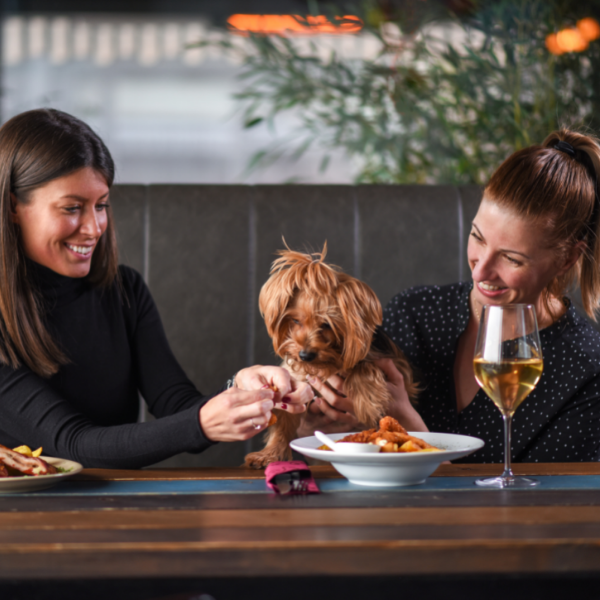
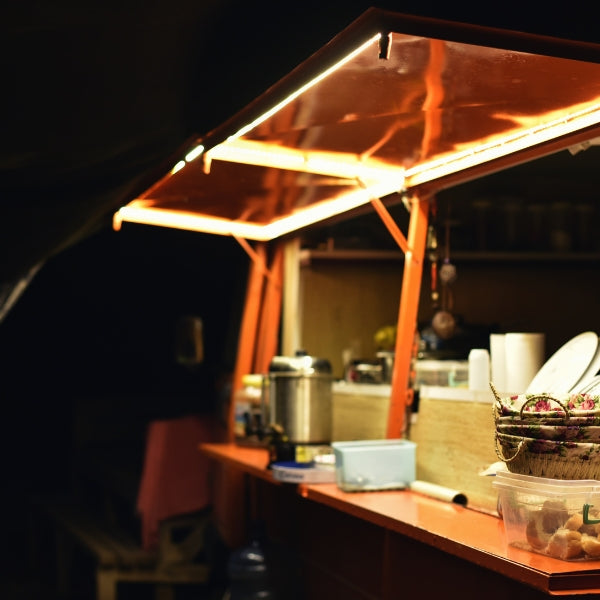
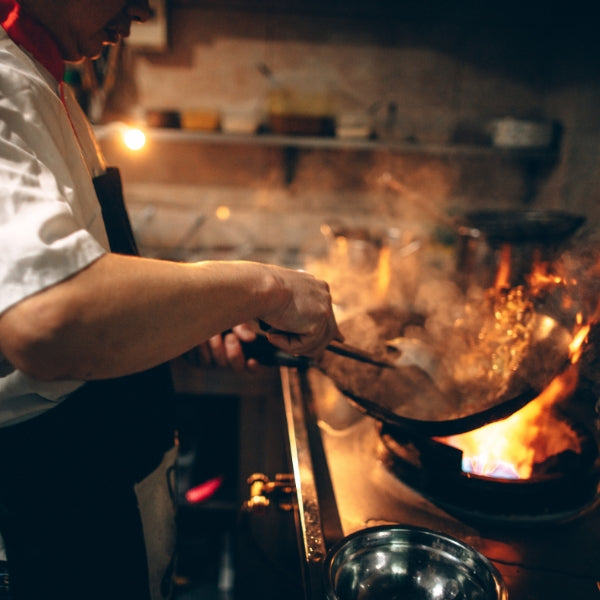
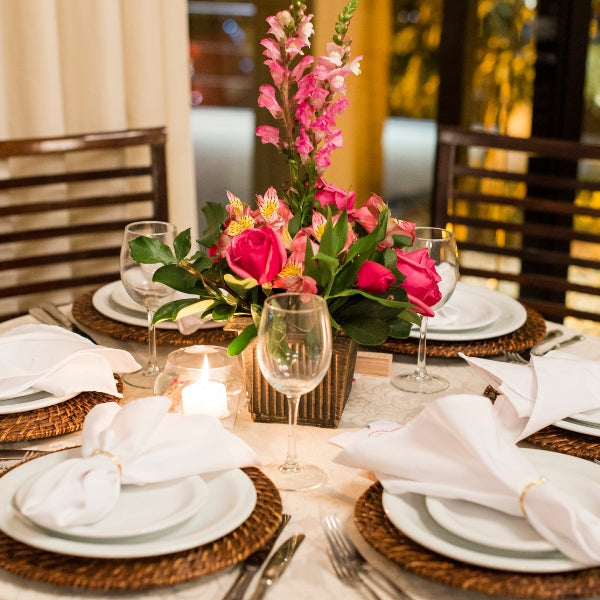
LIGHTING STRATEGIES FOR RESTAURANTS

Discover how smart lighting strategies turn your restaurant into an enticing dining haven that not only enhances your interior aesthetics but also impacts customer emotions and dining experiences. Through a delicate balance between shadow and light, make your restaurant evoke feelings of relaxation, excitement, or sophistication tailored to appeal to your clients.
Read More
FEATURED POSTS

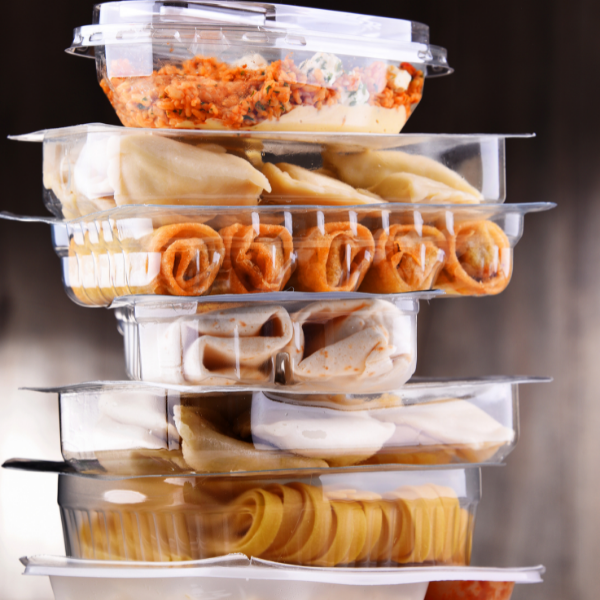
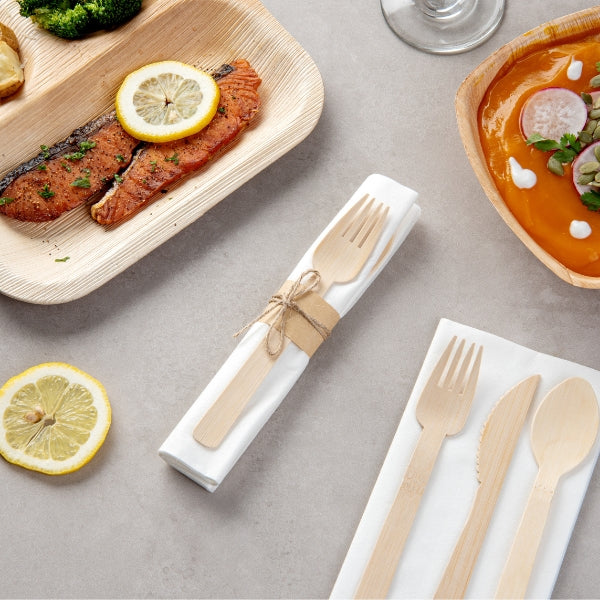
WHAT ARE REUSABLE FOOD CONTAINER PROGRAMS?

Learn about the growing trend of reusable food container programs and how they are helping to reduce plastic waste. Find out all the benefits of switching away from single-use packaging materials and how you can get involved.
Read More
FEATURED POSTS

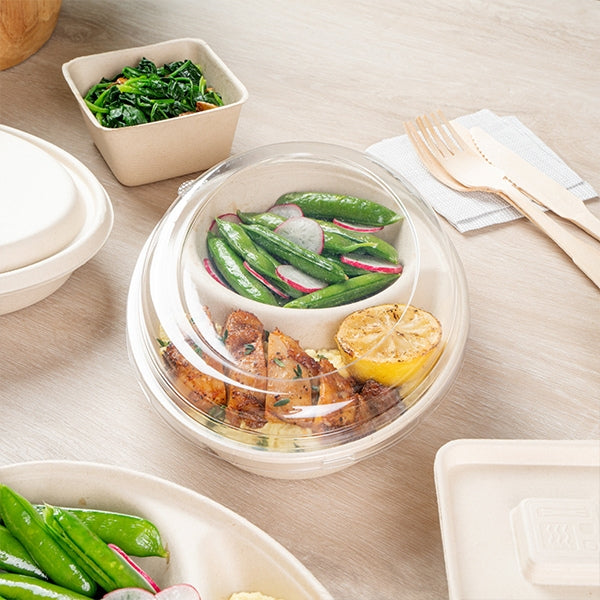
A GUIDE TO PURCHASING RESTAURANT SUPPLIES WITH NO PFAS ADDED

California and New York have created regulations that prohibit the use of packaging with PFAS intentionally added. Read this guide to learn about these laws and how to purchase restaurant supplies with no PFAS added.
Read More
  • Placeholder image

    Concession Stand Supplies: What To Stock For Volume Service

    Concession Stand Supplies: What To Stock For Volume Service Concession stand supplies fall into four groups matching the four zones of a working stand: cook, hold, serve and cash. Cook and hold are equipment decisions you make once. Serve and cash are consumable decisions you remake before every event, and they are where a stand actually fails. Key Takeaways Sort every item into one of four zones. Cook and hold are equipment; serve and cash hold the consumables that run out. Size the consumable order against expected attendance, not last season's invoice. Five lines run out first: napkins, portion cups, one size of lid, carry bags and gloves. Hold equipment has to reach 135°F or above and 41°F or below, with a probe to prove it. Packaging is a line speed decision before a cost decision: every container choice adds or removes a motion at the window. Most concession supply lists read like a catalog. This one is for someone placing a purchase order against a date and a head count. Restaurantware has supplied foodservice operations since 2010, and the failure we see is almost never the equipment. It is the consumable line: cups gone by halftime, napkins gone by the third inning, a volunteer buying trays at retail mid-event. Cups get missed because they are cheap, and cheap is why nobody counts them. The stand in four zones (cook, hold, serve, cash) A concession stand is four zones in a row, and every item you buy belongs to one of them. Cook turns raw or frozen product into hot product. Hold keeps it at temperature until someone orders. Serve puts it in a container and passes it across the counter. Cash closes the transaction. Sorting the list this way prevents buying equipment for a zone that was never the bottleneck, and forgetting consumables in the zone that is. The zones also explain why a regulator treats a stand differently from a kitchen. FDA Food Code 2026, section 8-401.10(C), directs the regulatory authority to periodically inspect, throughout its permit period, a temporary food establishment that serves unpackaged time/temperature control for safety food and that "Has improvised rather than permanent facilities or equipment for accomplishing functions such as handwashing, food preparation and protection, food temperature control, warewashing, providing drinking water, waste retention and disposal, and insect and rodent control," which is a supply list in disguise. Everything it names arrives on a truck. The Food Code is a model code, not the law in your county. States and counties adopt it on their own schedule and often amend it, so confirm the version your local health department enforces. Most jurisdictions also require a temporary food establishment permit for an event stand, and its conditions can be stricter than the code text. Cook Whatever applies heat: fryer, griddle, popcorn kettle, hot dog roller, cheese dispenser, warming oven. Oil, filter pads, pan liners, foil and kettle bags appear on no equipment quote, so put them on the same reorder cycle as the packaging. Hold Holding is a legal requirement before it is a quality preference. Section 3-501.16(A) requires time/temperature control for safety food to be maintained "At 57°C (135°F) or above" or "At 5°C (41°F) or less." A stand does both at once: warming cabinet or steam table on one side, ice and a cold well on the other, plus a probe thermometer and a printed log, because you prove the number rather than assert it. Section 3-304.12 covers the scoop, which may sit between uses "In a container of water if the water is maintained at a temperature of at least 57°C (135°F)." Serve Serve is where the consumables live: containers, cups, lids, napkins, portion cups, bags, trays, tongs, deli tissue, gloves. The code drives two. Section 3-301.11(B) states that food employees "may not contact exposed, ready-to-eat food with their bare hands and shall use suitable utensils such as deli tissue, spatulas, tongs, single-use gloves, or dispensing equipment." Section 3-306.11 requires food on display to be "protected from contamination by the use of packaging; counter, service line, or salad bar food guards; display cases; or other effective means." Cash Cash is the zone operators treat as free. It needs a register or tablet, power, a bank in small bills, a card reader, receipt rolls, and a price board readable from the back of the line. It also needs a handwashing answer, because whoever takes money often passes food. Section 5-203.11(A) requires "at least one handwashing sink, several handwashing sinks necessary for their convenient use by employees" and not fewer than the number required by law. Where there is no plumbing, section 5-104.12 governs the alternative water supply rather than the sink itself, permitting "One or more closed portable water containers." Your local health department defines what counts as an approved temporary handwashing station, so confirm the specification before you build one. Concession stand setup: layout, station order and flow at volume Concession stand setup is how those four zones sit inside the space you were given, and at volume it does more for line speed than any single item on the supply list. The rule is easy to state and hard to hold to: the layout matches the order of the transaction, and nothing requires two people to cross paths. Station order follows the order of the transaction A transaction runs order, assemble, drink, pay, hand off, and the stand runs the same direction all night. Order point at the leading edge. Hot food assembly next, drawing from the hold zone behind it rather than across it. Drinks after food, because a cup should never hold up a tray. Payment and hand-off at the trailing edge, so the guest leaves rather than circling back. Condiments come off the critical path entirely. A pump station, napkin dispenser and lid stack beside the window takes three decisions out of the transaction, so keep it guarded under 3-306.11. One-way flow and the par stock under the counter Every staff member needs a lane and no two lanes should cross. A common error is putting the cup stack and the lid stack at opposite ends of the counter, sending the drink person through the food person on every order. Put the packaging where the product is finished, not where there was space. Then break one case of each fast-moving consumable at load-in and place it at the station that uses it, remembering that section 4-903.11 requires single-service articles to sit "At least 15 cm (6 inches) above the floor." A milk crate satisfies that. Wet concrete behind the fryer does not. At volume the layout changes shape rather than scaling: split the window into two lines, each with its own register and assembler, pre-portion before doors, and add a runner who restocks par, because the moment an assembler leaves the counter for lids the line stops. The supply list by zone, with what runs out first The list below is the consumable half of the four zones, the half you reorder. Work it as a concession stand checklist at load-in and load-out, marking what you opened rather than what you brought. Our paper food trays collection covers the trays and boats the serve zone runs on, from a four ounce boat to a two pound tray. Cook and hold Fryer oil, filter pads and pan liners. Kettle bags or pre-measured kits. Foil sheets for anything leaving the window hot. Portion scoops sized to the serve, because a scoop that is not the portion makes every serve a judgment call. Degreaser, sanitizer and test strips. Steam table pans in the depths your wells take, with covers. Chafing fuel cans rated to burn for the full holding period, including setup before doors open. Ice, probe thermometers and the printed temperature log. Serve The deepest part of the list and the part that runs out. Cold cups and lids in no more than two sizes. Hot cups, lids and sleeves. Straws. Trays, boats and clamshells sized to the item, not to the biggest item on the menu. Divided nacho trays if you serve cheese. Popcorn bags, boxes and tubs. Napkins. Portion cups and lids. Cutlery only where an item needs it. Tongs, deli tissue and gloves in the sizes staff wear. Carry packaging is a separate decision, because anything multi-item leaves the window in something. Our concession food bags collection covers popcorn, hot dog, foil, snack and cone bags sized to the item, and our net take-out bags collection covers handled take-out bags for multi-item orders. Order both: a stand with only one double-bags, which costs a motion at the window. Cash and front of counter Receipt rolls. A bank in the denominations your prices create, an argument for whole-dollar pricing. Tape and markers for the sold-out line. Counter sanitizer. Waste receptacles, including one at the handwashing point. What runs out first, and why it is usually the same five items Napkins, portion cups, one size of lid, carry bags and gloves. Each is consumed per transaction or per staff hour, and each is ordered as a round number somebody guessed. The guess gets made on cost rather than count: a case of napkins is the cheapest line on the invoice, so nobody checks it against the gate. Size those five against the arithmetic below. Sizing the order by attendance, with a table for 500, 1,000 and 3,000 Sizing a concession order means converting a head count into a unit count, and it takes four assumptions you can state out loud. None is a statistic. They are starting numbers you replace with your own till data after the first event. The assumptions used below: one transaction for every three people through the gate, one food item and one cold drink per transaction plus a hot drink for one in four transactions, three napkins per transaction, one condiment portion cup for every two transactions. Staffing is three, five and ten staff across a four hour service, with two glove changes per staff hour. Everything derives from the transaction count: 500 divided by 3 is 166.7, rounded up to 167; 1,000 divided by 3 rounds up to 334; 3,000 divided by 3 is a flat 1,000. Supply line 500 attending 1,000 attending 3,000 attending Transactions planned, 1 per 3 attending 167 334 1,000 Cold cups with lids, 1 per transaction 167 334 1,000 Hot cups with lids, 1 per 4 transactions 42 84 250 Food trays, boats or clamshells, 1 per transaction 167 334 1,000 Napkins, 3 per transaction 501 1,002 3,000 Portion cups with lids, 1 per 2 transactions 84 167 500 Carry bags, 1 per 3 transactions 56 112 334 Gloves in pairs, 2 changes per staff hour over 4 hours 24 40 80 Trash liners, 1 per 100 transactions plus 2 spares 4 6 12 Two notes on reading it. First, correct the capture rate immediately: count your transactions at the next event and divide by the gate. The only stand at a fairground runs a different rate from one of eight vendors on a midway. Second, the food line assumes one hot item per transaction. Then round up twice. Round each line to the next whole case: you cannot order 501 napkins. Then add ten percent to the packaging lines for a first event at a new venue. At 1,000 attending that is 34 extra cold cups, the difference between finishing service and closing the drink window early. Disposables that stayed in their case are next event's opening stock. Speed of service: what packaging costs you seconds at the window Packaging is a line speed decision before a cost decision, because every container choice adds or removes a motion and motions are what the queue is waiting on. Count them on your own line rather than trusting a number from an article, including this one. Count the motions, then multiply by the transaction count Take the 3,000 attending column. One thousand transactions across a four hour service is 250 an hour. Across two windows that is 125 per window per hour, and 3,600 seconds divided by 125 is one order every 28.8 seconds, payment included. That is the budget you work inside. Now count the order: pick up container, fill, pick up lid, seat lid, napkin, bag, hand off. Seven motions. Remove one and you remove 1,000 motions from the shift. The packaging decisions that remove a motion Two cold cup sizes instead of four halves your lid inventory and removes the size decision from both sides of the counter. Lids that seat in one push. Containers that open one-handed, since a clamshell needing two hands means the food goes down before it goes in. Wrapping goes the other way: wrap what leaves the venue, tray what is eaten in the stands. Waste and leftovers, what holds to the next event and what does not At load-out a stand holds two kinds of leftover and the mistake is treating them the same. Sealed packaging and unopened shelf-stable product carry forward if stored correctly. Anything held hot or cold during service does not, because food carries over only inside the limits the Food Code defines. Food is on a clock, and the clock is written down Anything held hot or cold is governed by section 3-501.16(A), which requires time/temperature control for safety food to be maintained "At 57°C (135°F) or above" or "At 5°C (41°F) or less." Product that sat between those numbers during the third quarter is a discard, not a leftover, and the temperature log tells you which you have. What carries over is sealed and unopened: cases of chips and candy, syrup boxes, bagged kernels. What does not: anything portioned, anything that went into a warmer, anything iced down and re-iced. Disposables hold indefinitely if you store them on the code's terms Unopened packaging is the easiest inventory to carry forward, and only storage ruins it. Section 4-903.11 requires single-service articles to be "kept in the original protective package or stored by using other means that afford protection from contamination until used." A sealed case on a pallet in a dry trailer meets that. A half-used sleeve rolled shut on the trailer floor does not, and it is what you throw out at the next load-in. Reseal partial cases with tape and a date, and log the carryover on the sheet you order from. Fundraiser and school stands, the lower-budget version of the same list A volunteer-run school or fundraiser stand runs the identical four zones on a smaller budget, and the correct adaptation is to cut the equipment rather than the compliance items. Section 8-401.10(C)(2) names inexperienced food employees as one reason a regulator keeps inspecting a temporary establishment throughout its permit period. What to cut, and what never gets cut Cut the cook zone first. A menu of pre-packaged and held-hot-only items removes the fryer, the oil, the filters and most of the cleaning load. Popcorn, pre-cooked hot dogs in a roller, nachos with pump cheese, packaged candy and bottled drinks make a complete stand with almost no cooking, which answers most concession stand food ideas questions. What never gets cut is handwashing, the thermometer and the barrier between hands and ready-to-eat food. Section 5-104.12 allows the water to come from "A supply of containers of commercially bottled drinking water" or "One or more closed portable water containers," so the supply can be a jug, a catch bucket, soap and towels on a folding table. Section 3-301.11(B) still requires tongs, deli tissue or gloves, which cost less than a case of cups. The warewashing question, and ordering in one pass Section 4-301.12(A) requires that, "Except as specified in ¶ (C) of this section, a sink with at least three (3) compartments shall be provided for manually washing, rinsing, and sanitizing equipment and utensils." That exception is the one a school stand should read. Paragraph (C) permits approved alternative manual warewashing equipment, including a two-compartment sink under paragraphs (D) and (E), where there are special cleaning needs or constraints and the regulatory authority approves it. Some jurisdictions also grant variances for temporary events, so ask before you plan around a classroom sink. The simpler route is a menu with nothing to wash: single-service containers, single-use serving utensils, and any reusable pan swapped rather than washed on site. Then buy in one pass, because the volunteer stand loses more to emergency retail runs than to anything on the invoice. Order one delivery with the ten percent overage and store the remainder sealed and off the floor. If you are weighing a stand against a mobile unit, see our guide to the difference between a food truck and a food cart. Buy your concession supplies in one pass rather than four. Our souffle and portion cups collection covers the condiment side that runs out first, and our disposable popcorn supplies collection covers the bags, boxes and buckets for the item most stands sell most. Frequently asked questions What sells well at a concession stand? Items that hold at temperature without losing quality, serve in one motion, and need no plating. That is why popcorn, hot dogs, nachos, pretzels, candy and bottled drinks are on nearly every stand: each is held rather than cooked to order, each goes into one container, and none needs a second pair of hands. What equipment is needed for a concession stand? At minimum, one piece of equipment per zone. Cook needs whatever applies heat to your menu, which may be nothing if the menu is held-hot only. Hold needs equipment that reaches both numbers in FDA Food Code 3-501.16(A), 135°F or above and 41°F or below, plus a probe to prove it. Serve needs a counter, a food guard and the packaging. Cash needs a register and a bank. What are the most profitable concessions to sell? The ones with the lowest total cost per serve and the fastest serve, and you find them with your own arithmetic rather than a published list. Add the container, the lid, the napkin and the bag to the product cost before you compare, because packaging is charged per serve like the food. Local rules vary, so check permit conditions before you commit to a menu. Sources FDA Food Code 2026, sections 3-301.11, 3-304.12, 3-306.11, 3-501.16, 4-301.12, 4-903.11, 5-104.12, 5-203.11 and 8-401.10. U.S. Food and Drug Administration, Retail Food Protection: FDA Food Code, for the current published edition. States adopt and amend the Food Code independently, so confirm the version your jurisdiction has adopted.

    Read More

  • Placeholder image

    Bar Glassware Types: What To Stock And How Much Of It

    Bar Glassware Types: What To Stock And How Much Of It Bar glassware types fall into six shapes that carry almost every drink a working bar sells: rocks, highball, pint, wine, coupe or martini, and flute. Specialty glasses beyond those six earn shelf space only when a drink on your menu needs them. The harder question is not which shapes exist, it is how many of each to buy, and the answer comes from your seat count, your turn rate and your breakage rate, not from a catalog. The six shapes are all in our glassware collection, so you can put a real product against each one as you read. Most glassware guides are written for someone setting a home bar. This one is written for someone placing a purchase order. In 15+ years supplying foodservice operations, and with more than 40,000 operations served, the pattern we see is consistent: new bars overbuy shapes and underbuy quantity. They order eight kinds of glass and two dozen of each, then spend their first month washing rocks glasses between every round because that is the glass the largest share of their drinks actually goes in. Glassware is one decision inside a much larger setup, and if you are building the room from scratch, our guide to running a successful bar covers the rest of it. The six glasses most bars actually run on If you stocked nothing but these six, you could serve a full cocktail, beer and wine menu tomorrow. Rocks, also called old fashioned or lowball A short, wide, heavy-bottomed glass, usually 6 to 12 ounces. It takes every spirit served neat or over ice, every stirred cocktail served down, and the entire old fashioned and negroni family. Double rocks at 12 to 14 ounces handle large-format ice and drinks built in the glass. This is the highest-turn glass in most bars and the one to buy deepest. Highball and collins Tall and narrow, roughly 10 to 14 ounces for a highball and 12 to 16 for a collins. Anything long and carbonated goes here: gin and tonic, vodka soda, mojito, Tom Collins, Paloma. The narrow bore is doing real work, it slows the loss of carbonation by reducing the surface area exposed to air. Many bars carry one tall glass rather than two and lose nothing. Pint and beer glasses The American shaker pint at 16 ounces is the default, cheap, stackable and durable. A nonic pint with the bulge near the rim resists chipping and stacks without sticking, which matters more than it sounds when you are washing hundreds a night. If your beer program is a serious part of the menu, add a tulip or a willi becher for aromatic styles, since the inward taper holds the head and concentrates aroma. Our beer glasses collection covers both the shaker pint and the nonic if you are stocking that line deep. Wine, red and white One universal wine glass around 14 to 16 ounces will serve both if you are tight on space and budget, and plenty of good restaurants do exactly that. If you split them, the red glass is larger with a wider bowl to give the wine air, and the white glass is smaller and narrower to hold temperature and aroma. Stemless is durable and stacks well, but it warms the wine through the hand, so it belongs in high-volume casual service rather than on a wine list you are proud of. Both bowl shapes sit in our wine glasses collection if you decide to split them. Coupe and martini Both serve the same job, a cocktail served up with no ice. The coupe is the practical choice for a working bar: the shallow rounded bowl spills far less than the V-shaped martini bowl when a server carries four across a busy floor. Keep martini glasses if the look is part of your concept, but expect to replace them more often and expect more spillage. Both shapes are in our cocktail glasses collection if you want to compare bowl depth before you order. Champagne flute Tall and narrow to preserve the bubble. Even a bar with no sparkling program needs a small number for celebrations, mimosas at brunch and sparkling cocktails. This is the shape to buy shallow, a dozen or two in a small room, unless brunch is a real revenue line for you. The specialty glasses, and when they earn their shelf space Every glass past the core six has to justify the storage and the replacement cost. The test is simple: does a drink you sell regularly require it, and would that drink be visibly worse in a glass you already own. Margarita: only if margaritas are a named part of your identity. Otherwise a rocks glass with a salted rim does the job and stacks better. Hurricane and tiki mugs: buy when the tropical drinks are the draw, not as decoration. They are hard to store and easy to break. Snifter: for brandy, aged spirits and strong aromatic beer. A small number, kept behind the bar rather than in the main rack. Shot glass: high turn, low cost, high loss rate. Buy more than you think and expect to replace them constantly. Copper mule mug: purely a visual and thermal choice. Real demand if mules sell, and they hold cold well, but they need separate care and they walk out the door. Irish coffee and toddy glass: tempered glass with a handle, required if you serve anything hot. Do not improvise this one with a regular glass, thermal shock will break it. Browse the full range in our shot glasses collection when you are ready to match shapes to your menu. How glass shape changes the drink Shape is not only aesthetic, and understanding why makes stocking decisions easier. Surface area controls carbonation. A wide bowl lets carbonation escape faster. That is the whole argument for serving a gin and tonic in a tall narrow glass rather than a rocks glass, and the reason a flute keeps sparkling wine lively longer than a coupe does. Bowl shape controls aroma. A glass that narrows toward the rim funnels aroma toward the nose. A glass that opens outward lets it disperse. This is why aromatic beer and aged spirits go in tapered glasses and why a wide coupe suits a drink whose appeal is more visual than aromatic. Ice ratio controls dilution. A tall narrow glass holds a higher ratio of ice to liquid surface, which keeps a long drink cold without watering it down as quickly. A shallow wide glass melts faster. Stem controls temperature. A stem exists so the hand never touches the bowl. Every stemless glass trades a little temperature stability for durability, and that is a legitimate trade in the right room. How many of each to stock This is the part the other guides skip. The working rule is three glasses per seat for your highest-turn shape, and you scale the rest down from there. Three covers the glass in the guest's hand, the glass in the wash, and the glass on the shelf ready to go. Below three you will be washing mid-rush, which is how glasses get broken and how service slows down. Adjust up if any of the following is true: your dish pit is far from the bar, you run one wash cycle per hour rather than continuously, you do heavy event or banquet business, or your average check has more than two drinks on it. Starting par levels by room size, assuming a mixed cocktail, beer and wine menu: Glass 30 seats 60 seats 120 seats Rocks / old fashioned 90 180 360 Highball / collins 72 144 288 Pint / beer 72 144 288 Wine (universal, or split red and white) 60 120 240 Coupe / martini 36 72 144 Champagne flute 24 48 96 Shot 36 72 144 Two notes on reading that table. First, it is a starting point to be corrected by your own sales mix after 30 days: pull your POS data, see which glass your top ten drinks actually use, and reorder against reality. Second, the rocks line is deliberately the largest because in most bars it serves the widest range of drinks, but if your menu leans long and carbonated, the highball line becomes your deepest. Work the math on a 60 seat room and the numbers stop feeling arbitrary. Three per seat on your highest-turn shape gives 180 rocks glasses. That looks like a lot of glass until you split it into thirds: 60 on the floor in guests' hands, 60 in the wash or waiting for it, and 60 racked and ready behind the bar. On a Friday that turns the room twice, all 180 pass through the bar at least once, and the clean third on the shelf is the only thing keeping a bartender off the glass washer between rounds. Scale the other lines against your sales mix, not against the rocks number. If rocks-served drinks are a third of your pour and highballs are a quarter, the highball line belongs close behind at 144, not at half. Wine at 120 covers a two-glass-per-table night without a mid-service wash. The flute line at 48 is sized for brunch and the occasional toast, not for a sparkling program you intend to sell. Order in whole cases and round up rather than down. Case packs vary by glass profile, so check the count on the line you are ordering before you divide your par by it. The overage from rounding up is not waste, it is your first month of breakage already sitting on the shelf. When you are sizing an order, our glassware range is organized by shape so you can build the list above in one pass. Glass, crystal or plastic: choosing the material Shape decides which drink goes in the glass. Material decides how long the glass lasts and what it costs you to keep in service. Soda-lime glass is the standard commercial material and the right default for most of your inventory. It is inexpensive, widely available in every shape, and easy to replace, which matters because you will be replacing it. Its weakness is impact resistance at the rim and base. Tempered soda-lime is the same material heat treated for strength. It resists both impact and thermal shock better, and it fails safer. Put it in the two lines that take the most handling, pints and rocks, and you will feel the difference in your replacement spend within a year. Lead-free crystal is thinner, clearer and lighter, with a finer rim that genuinely improves the drinking experience on wine and spirits. It also breaks more easily and costs several times more per glass. It belongs on a wine program or a fine dining bar where the guest is paying for that experience, and it does not belong in a high-volume room with a distant dish pit. Tritan and polycarbonate are shatter-resistant plastics that look far closer to glass than they used to. They are the correct choice for pool decks, patios, boat service and any area where glass is prohibited. They scratch over time and need replacing on a cycle, but they do not create a hazard when dropped. Quality disposables are the answer for offsite events, large functions and anywhere staff are working without a dish pit. The recovery, washing and breakage cycle disappears entirely, which for a 300 person event is a real labor saving rather than a compromise. A practical split for most rooms: tempered glass for the high-turn lines, standard glass for everything else, crystal only where the wine program justifies it, and shatter-resistant or disposable for outdoor and offsite. Breakage, and how to buy around it Breakage is a line item, not an accident. Treat it that way and it stops surprising you. Buy tempered where the risk is highest. Tempered glass is heat treated to resist impact and thermal shock, and when it does fail it breaks into small blunt pieces rather than shards. It costs more per unit and pays for itself in the pint and rocks lines, which take the most abuse. Watch the rim. A rolled or beaded rim is thicker and resists chipping. A cut rim looks more elegant and chips more easily. A chipped rim is not a cosmetic problem, it is a glass that has to leave service immediately. Buy in stackable profiles. Most breakage happens in handling, not in the guest's hand. Glasses that nest or rack cleanly get broken less. Reorder before you are short. Set a reorder trigger at 80 percent of par rather than waiting until a shape runs out. Running short is what forces mid-rush washing, and mid-rush washing is what breaks glasses. Standardize. Every additional shape multiplies your replacement complexity. Two rocks glasses that look similar but do not stack together will cost you more over a year than one shape bought deeper. Put a number on it. Count your glassware by shape once a quarter and compare the count against the par you set. The gap is your breakage rate for that shape, and it is the only figure that tells you whether tempered is worth the upcharge on a given line. A shape losing a tenth of its count in a quarter is telling you something about handling, storage or rim profile, and usually about all three. A shape that barely moves does not need the more expensive glass. Count before you reorder, not after. A reorder placed against par without a count restocks whichever shape someone noticed was empty, not the shape that is actually bleeding. Glassware for patios, pools and outdoor events Glass and outdoor service are a poor match, and in many venues the choice is made for you by policy or local rule. Pool decks, beaches and large outdoor events are typically glass-free zones because broken glass on a wet surface is a serious hazard. For those services, shatter-resistant drinkware and quality disposables are the correct answer rather than a compromise. Modern disposable stemware holds a shape well enough for a wedding toast, and it removes the recovery, washing and breakage cycle entirely for an event where staff are working away from a dish pit. Keep your real glassware indoors where it can be washed and racked properly. Care that extends glass life Most glasses do not die from a dramatic drop. They die from accumulated small damage. Avoid thermal shock. Do not put a hot glass straight into cold water or ice into a warm glass. Rapid temperature change is a leading cause of cracks in untempered glass. Wash glassware separately. Glass washed alongside plates and cutlery gets chipped by contact. A dedicated glass rack cycle costs a little time and saves a lot of inventory. Never use a glass as an ice scoop. This is the single most common way a bar chips a rim, and a chipped rim in an ice bin means the whole bin gets dumped. Store upside down on a mat, not directly on a hard shelf, and never nest glasses that were not designed to nest. Two stuck glasses usually become two broken glasses. Polish while warm with a clean lint-free cloth. Cold glass smears, and water spots are the fastest way to make good glassware look cheap. A buying checklist before you place the order Run through this before anything goes in a cart. It takes ten minutes and it prevents the two most expensive mistakes, buying too many shapes and buying too few of the shape you actually use. Pull your top ten selling drinks. If you are not open yet, use your draft menu. Write the glass each one needs. That list, not a catalog, is your shape list. Collapse the list. Any two shapes that serve the same function get merged. One tall glass instead of a highball and a collins. One universal wine glass instead of two. Every shape you remove reduces storage pressure and replacement complexity. Set par at three per seat for your highest-turn shape and scale the others against your sales mix. Check your wash cycle honestly. If the dish pit is far from the bar or you wash hourly rather than continuously, raise par before you open, not after your first bad Friday. Confirm it stacks. Check that the shapes you chose rack and store in the space you actually have behind the bar. Add 10 percent to the first order as an opening breakage buffer. New staff break more glasses in the first month than they will in the following six. Set the reorder trigger at 80 percent of par for every line, and put it on someone's weekly list. After 30 days of service, do the whole exercise again with real POS data. The first order is an educated guess. The second one is arithmetic. Frequently Asked Questions What are the different types of barware? Barware covers two categories. Glassware is what the drink is served in: rocks, highball, pint, wine, coupe or martini, flute, plus specialty shapes. Bar tools are what the drink is made with: shakers, strainers, jiggers, mixing glasses, bar spoons and muddlers. This article covers glassware, which is the larger and more frequently replaced of the two. What are 10 types of glasses commonly used in bars? Rocks or old fashioned, highball, collins, pint, wine, coupe, martini, champagne flute, shot and snifter. Most bars run on the first six and add the rest as their menu requires. What types of glassware are commonly used in bars? The core set is rocks, highball, pint, wine, coupe or martini, and flute. Those six cover nearly every drink on a standard cocktail, beer and wine menu. Specialty glasses such as margarita, hurricane, mule mug and Irish coffee glass are added only when a regularly selling drink requires them. What are the four main types of glassware? Grouped broadly: tumblers, which have no stem and include rocks and highball; stemware, which includes wine, coupe, martini and flute; beer glasses, including pint, tulip and willi becher; and specialty or novelty glasses such as tiki mugs, mule mugs and hurricanes.

    Read More

  • Jar lifter lifting a jar of sauce

    How To Bottle Sauces For Sale

    Are you ready to bottle your own sriracha sauce and enter the booming sauce market? Our guide covers the key steps, from crafting your unique recipe to choosing the perfect packaging. Explore how to build a successful sauce brand.

    Read More

  • Blog-Main-how-to-add-menu-items-for-dogs

    How To Add Menu Items For Dogs

    Dogs love to dine out, too! Allow families to bring dogs to your restaurant and create a menu catered to them so that they go home full as well. Find out how to create a pup-ular dog menu your furry diners will love.

    Read More

  • boba teas

    Boba Tea Packaging Guide

    First impressions are important and your bubble tea packaging is the first thing customers notice. Learn about the boba tea supplies your tea bar or coffee shop should have to enhance your customers’ drinking experience.

    Read More