Fall Menu Ideas: Pumpkin-Inspired Menu Items That Sell
Fall menu ideas are seasonal dishes and drinks built around autumn's anchor flavors — pumpkin, apple, maple, and warm spices like cinnamon and chai. They fill three menu slots: hot and cold drinks, desserts, and limited-time-offer (LTO) mains. Restaurants should launch fall menus in late August or early September, before seasonal demand peaks.
The best fall menu ideas do more than nod to the season — they move covers, lift check averages, and give guests a reason to visit before the holidays. This guide maps the full fall flavor palette with pumpkin as the anchor, then adds what home-cook recipe roundups leave out: food cost, prep scalability, LTO timing, and how to serve each item so it earns its menu space. Restaurantware has supplied more than 40,000 foodservice operations over 15+ years, and every fall we watch the same pattern: operators who plan their pumpkin spice menu in July outsell the ones who scramble in October.
TL;DR — Fall Menu Ideas at a Glance
- Anchor flavors: pumpkin, apple, maple, brown butter, chai, cinnamon, sage.
- Highest-margin slots: drinks (spiced lattes, cider cocktails) and desserts (pumpkin cheesecake, apple crisp).
- Timing: launch late August–early September; retire or transition to holiday items by late November.
- Why it works: 37% of consumers are more likely to try a new menu item when it features seasonal ingredients (Technomic).
- Execution rule: build fall LTOs from ingredients and prep steps you already run, so seasonal items add sales without adding kitchen chaos.
| Menu Slot | Best Fall Items | Typical Food Cost | Prep Difficulty | LTO Window |
|---|---|---|---|---|
| Drinks | Pumpkin spice latte, spiced cider, maple old fashioned | Low (15–20%) | Easy — syrup-based | Sept–Nov |
| Desserts | Pumpkin cheesecake, apple crisp, chai crème brûlée | Low–moderate (20–28%) | Batch-friendly | Sept–Dec |
| Starters | Pumpkin soup, butternut squash bisque | Low (18–25%) | Easy — batch soup | Sept–Feb |
| Mains | Pumpkin ravioli, maple-glazed pork, harvest bowls | Moderate (28–34%) | Moderate | Sept–Nov |
| Catering/party | Mini pumpkin tarts, cider bar, fall grazing boards | Varies | Scales well | Oct–Dec |
What Are Fall Menu Ideas and How Are They Categorized?
Fall menu ideas are defined as seasonal additions — dishes, desserts, and drinks — that feature autumn ingredients and flavors, usually offered as limited-time specials from September through November. They are categorized by menu slot: drinks (lattes, ciders, cocktails), desserts (pies, cheesecakes, crisps), starters (soups, salads with roasted squash), mains (pastas, glazed proteins, harvest bowls), and catering or party formats (minis, boards, buffet stations).
The economics behind seasonal menu ideas are well documented. According to Technomic's Flavor Consumer Trend Report, 37% of consumers are more likely to try a new flavor or menu item if it features seasonal ingredients, and 32% say their flavor preferences change with the season — numbers that run higher among diners aged 18–34 (Restaurant Business, citing Technomic). Seasonal items also carry built-in urgency: the same Technomic research found 35% of consumers are more likely to order an item when it is only available for a limited time.
Pumpkin is the anchor because supply and demand both peak in fall. In 2024, U.S. farms produced 1.44 billion pounds of pumpkins, with Illinois alone growing about 485 million pounds — most of it pie-variety pumpkin processed into the purees, fillings, and soups foodservice kitchens rely on (USDA Economic Research Service, current as of July 2026). That processing pipeline is why pumpkin is the rare seasonal flavor an operator can run consistently at scale: canned puree is shelf-stable, consistent, and cheap relative to the premium guests will pay for it.
What Are the Best Fall Menu Ideas for Restaurants?
The best fall menu ideas for restaurants are pumpkin-forward items balanced across the fall flavor map — apple, maple, brown butter, and chai — so the menu reads seasonal without reading repetitive. Each idea below includes a foodservice note on cost, prep, or presentation.
1. Pumpkin Spice Latte and Spiced Coffee Drinks
The pumpkin spice latte remains the highest-velocity item on any pumpkin spice menu, and it is nearly all margin: a house-made pumpkin spice syrup (puree, brown sugar, cinnamon, nutmeg, clove) costs pennies per pour. Operator note: batch the syrup weekly, and extend it across the menu — pumpkin spice cold brew, chai-pumpkin fusion, spiced steamers for kids. Branded or fall-printed cups turn every to-go drink into a walking ad; our guide to cafe supplies for the fall season covers the cup, sleeve, and lid side in detail so this article can stay focused on the menu itself.
2. Pumpkin Soup and Butternut Squash Bisque
Pumpkin soup is the workhorse starter of fall restaurant specials: one batch recipe, low food cost, and a 5-month season that stretches into February. Finish with crème fraîche, toasted pepitas, or brown butter. Operator note: soup is the easiest fall LTO to run through takeout and delivery — leak-resistant disposable soup containers let you sell the same batch across dine-in and off-premise without extra prep.
3. Pumpkin Ravioli, Gnocchi, and Risotto
Pumpkin pasta dishes are the centerpiece mains of a fall menu — pumpkin ravioli in brown butter–sage sauce, pumpkin gnocchi, or pumpkin risotto with parmesan and crispy sage. Operator note: if fresh pasta production is out of reach, quality frozen pumpkin ravioli finished with a scratch-made sauce delivers 90% of the perception at a fraction of the labor. Price as a premium main; the seasonal halo supports a $2–4 upcharge over your standard pasta.
4. Pumpkin Desserts: Cheesecake, Pie, and Crème Brûlée
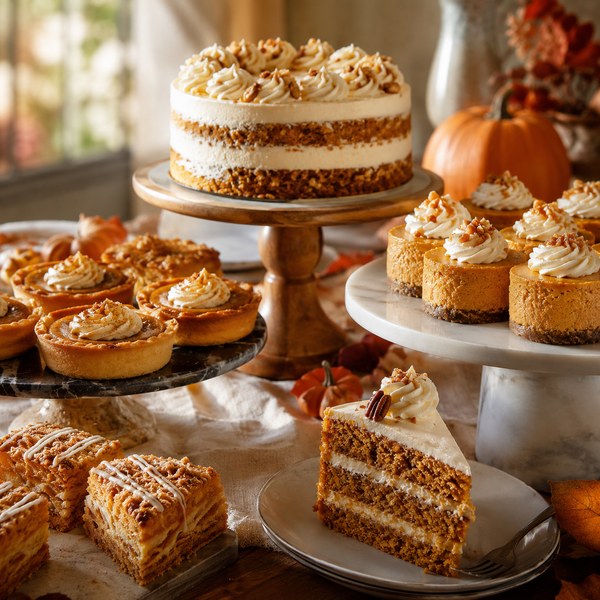
Pumpkin desserts are the single largest search category in the fall flavor set — think pumpkin cheesecake, classic pumpkin pie, pumpkin bread pudding, and pumpkin crème brûlée torched to order. Operator note: cheesecake and bread pudding are batch-friendly and hold for days, making them stronger operational picks than à-la-minute desserts. Individual portions in ramekins control portion cost and plate beautifully. For spooky-season variants — pumpkin patch brownies, ghost meringues — see our roundup of the top Halloween desserts.
5. Apple Everything: Crisps, Cider Donuts, and Salads
Apple is pumpkin's co-anchor. Apple crisp with vanilla ice cream, warm apple cider donuts, and harvest salads with sliced apple, candied pecans, and cider vinaigrette round out a fall menu without cannibalizing pumpkin sales. Operator note: apple items use year-round inventory (apples, oats, butter), so they carry near-zero dead-stock risk when the season ends — a safe first fall LTO for a cautious kitchen.
6. Maple-Glazed Mains and Brunch Items
Maple reads "fall" on a menu while working across dayparts: maple-glazed pork chops or salmon at dinner, maple-butter chicken and waffles or maple-bacon flights at brunch. Operator note: real maple syrup costs more than pancake syrup but justifies menu language like "pure maple–glazed," which supports premium pricing. Maple is also the bridge flavor that carries your fall menu into a Thanksgiving menu for restaurants without a full menu reprint.
7. Fall Drink Ideas: Cider Cocktails and Mocktails
Fall drink ideas beyond coffee are where beverage programs win October: hot spiced cider (spiked or not), maple old fashioneds, apple cider margaritas with cinnamon-sugar rims, and pumpkin-purée flips. A theatrical seasonal pour — like our jack-o'-lantern cocktail recipe — earns social posts that market the whole menu. Operator note: build every fall cocktail from two house syrups (spiced cider reduction, pumpkin spice) to keep bar prep flat while the menu looks deep. Zero-proof versions widen the audience at nearly identical margin.
8. Chai, Brown Butter, and Warm-Spice Bakery Items
Chai and brown butter are the fastest-growing corners of the fall flavor map — chai-spiced muffins, brown butter chocolate chip cookies, cardamom buns, and snickerdoodle everything. Operator note: these flavors differentiate you from the pumpkin-only crowd and extend naturally into December. Display them at the register on tiered stands; impulse pastry attachment is the cheapest check-lift in foodservice.
9. Harvest Bowls and Roasted-Vegetable Sides
Harvest bowls — roasted butternut squash, Brussels sprouts, wild rice, dried cranberries, tahini or cider vinaigrette — capture the health-minded guest that dessert-heavy fall menus miss. Operator note: bowls run on sheet-pan prep and assemble in under two minutes, making them one of the most labor-efficient fall mains. They also photograph well for delivery-app menus, where fall keywords lift search placement inside the apps themselves.
10. Fall Party, Catering, and Event Menus
For fall parties and catered events, miniaturize the hits: mini pumpkin tarts, shooter-style butternut bisque, cider-glazed meatballs, warm soft pretzels with beer cheese, and a build-your-own cider bar. Fall grazing boards — cheeses, fig jam, candied nuts, sliced apple — anchor the table. Operator note: minis and stations scale linearly with headcount; our guide on how to create a scalable menu for big events covers the math. For themed October events, pair the food with the front-of-house ideas in our best Halloween ideas for your restaurant.
How Should Operators Choose and Serve Fall Menu Items?
Operators should choose fall menu items using three filters — ingredient overlap, margin, and timing — then present them with servingware that signals the season. The restaurant industry is projected to reach $1.55 trillion in sales in 2026, but with cautious consumer spending and elevated costs squeezing margins (National Restaurant Association, 2026 State of the Restaurant Industry), seasonal specials have to earn their place, not just decorate the menu.
Filter 1 — Ingredient overlap. Choose fall items that share at least 70% of their ingredients with your core menu. One case of canned pumpkin puree can feed the latte syrup, the soup, the ravioli filling, and the cheesecake. That cross-utilization is what keeps a seasonal menu from bloating inventory.
Filter 2 — Margin by slot. Drinks and desserts deliver the highest seasonal margins; price them, not the mains, as your profit engine. A common approach prices fall specials at a modest premium — guests accept a $0.50–$1.00 upcharge on seasonal drinks and $1–3 on seasonal desserts because scarcity and novelty justify it. Keep at least one accessible entry point (a spiced drip coffee, a cookie) so the season is not gated behind premium prices.
Filter 3 — Timing. Launch in late August or the first week of September; the national coffee chains have trained guests to expect fall flavors before Labor Day, and waiting until October forfeits the highest-demand weeks. Plan the exit, too: transition pumpkin items into holiday flavors (peppermint, gingerbread, eggnog) by late November rather than letting the menu go stale.
Serve it like fall. In 15+ years supplying foodservice operations, we've seen presentation decide whether a seasonal special gets photographed or ignored: the operators who pair fall items with warm-toned plates, kraft-paper cups, wood boards, and mini serving vessels consistently report stronger social traction than those who plate seasonal food on everyday white china. The item is seasonal — the presentation should be, too.
Which Restaurantware Products Support a Fall Menu?
Restaurantware supports fall menus with servingware and disposables across every slot in this guide. These are the categories our fall-menu customers reorder most:
- Dessert dishes — plating pumpkin cheesecake, apple crisp, and plated pumpkin desserts with seasonal polish.
- Disposable cake stands & cupcake stands — register displays and catering tables for fall bakery items and mini desserts.
- Coffee service supplies and paper hot cups — the backbone of a pumpkin spice menu, in-house and to-go.
- Disposable soup containers — pumpkin soup and bisque for takeout, delivery, and soup-to-go programs.
- Ramekins & sauce cups — individual crème brûlées, bread puddings, and cider dipping sauces.
Our foodservice customers consistently tell us the same thing about fall: the LTOs that succeed are the ones where the packaging and presentation were ordered in August, not discovered as a gap in October. Whatever your fall menu ideas look like, lock the servingware before you print the menu.
Frequently Asked Questions
What is a good fall dinner menu?
A good fall dinner menu pairs a squash or pumpkin soup starter, a braised or maple-glazed main with roasted root vegetables, and a pumpkin or apple dessert. A sample three-course: butternut bisque, cider-brined pork chop with roasted Brussels sprouts, and pumpkin cheesecake with spiced whipped cream.
What are the most popular fall foods?
The most popular fall foods are pumpkin spice drinks, pumpkin pie and cheesecake, apple cider and cider donuts, butternut squash soup, chili, roasted root vegetables, and maple- or cinnamon-spiced baked goods. Pumpkin leads the category — U.S. growers produced 1.44 billion pounds in 2024, much of it processed for pies, soups, and purees (USDA ERS).
What should you serve at a fall party?
Serve batch-friendly, room-temperature-tolerant items at a fall party: a grazing board with apples and fig jam, cider-glazed meatballs, mini pumpkin tarts, soft pretzels with beer cheese, chili or bisque in small cups, and a hot cider station with spiked and zero-proof options.
What are the best finger foods for fall?
The best fall finger foods are mini pumpkin tarts, stuffed mushrooms, bacon-wrapped dates, cider-glazed meatball skewers, butternut squash crostini with goat cheese, soft pretzel bites, and cinnamon-sugar donut holes — items that hold at room temperature and eat in one or two bites.
What should you make for a fall luncheon?
For a fall luncheon, make a soup-and-salad pairing: butternut squash bisque alongside a harvest salad with apple, candied pecans, and cider vinaigrette, plus a warm grain bowl option and apple crisp for dessert. All four dishes batch well and serve fast for a midday window.
When should restaurants launch fall menus?
Restaurants should launch fall menus in late August or the first week of September. Major coffee chains release pumpkin lineups before Labor Day, which sets guest expectations for the whole industry. Launching by early September captures the full 10–12 week fall demand window; an October launch forfeits its strongest weeks.
What pumpkin items sell best?
Pumpkin spice lattes and coffee drinks sell best by volume, followed by pumpkin desserts — cheesecake, pie, and bread pudding — then pumpkin soup. Drinks lead because they are low-priced, habitual, repeat purchases; desserts lead on margin. Pumpkin mains like ravioli sell fewer units but raise average check.
How do restaurants price seasonal specials?
Restaurants price seasonal specials at a modest premium over comparable core items — typically $0.50–$1.00 more on drinks and $1–3 more on desserts and mains — because limited availability increases perceived value. Technomic research shows 35% of consumers are more likely to try an item offered for a limited time, which supports the premium without heavy discounting.
Conclusion: Build a Fall Menu That Pays for Itself
Strong fall menu ideas start with pumpkin, branch across apple, maple, chai, and brown butter, and live or die on execution: launch by early September, cross-utilize ingredients, price drinks and desserts as the profit engine, and serve everything in vessels that look like the season. Do that, and a fall LTO becomes a quarter-defining sales driver instead of a novelty.
Ready to plate the season? Stock your fall program from our dessert dishes and coffee service collections — in stock and ready to ship before your menu goes live.