Types of Tacos: A Foodservice Guide to 15+ Taco Styles
Tacos come in dozens of regional styles, but the most common types include carne asada, al pastor, carnitas, barbacoa, birria, carne adovada, pescado (fish), and suadero. They are categorized by protein, region of Mexico, and tortilla type — corn or flour, soft or hard shell — each suited to different service formats.
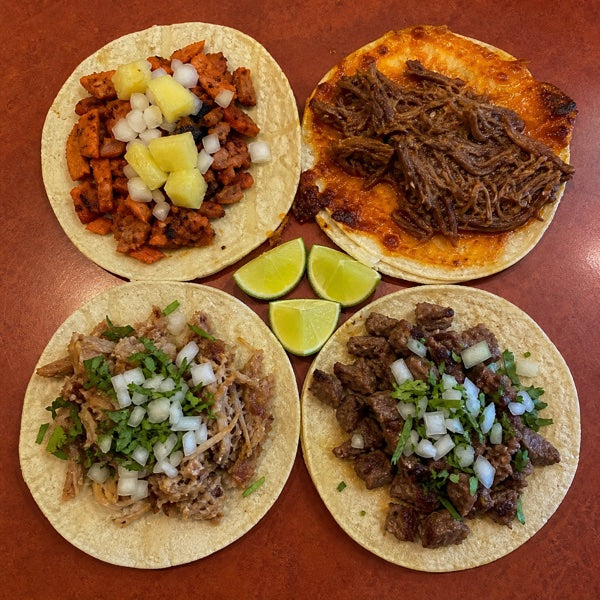
The main types of tacos are easier to master than most new operators expect — and there has never been a better time to put them on a menu. Mexican restaurants in the U.S. represent a $104.6 billion industry in 2026, according to IBISWorld, and Datassential ranks Mexican as the third most popular cuisine in the United States, with more than 80,000 Mexican restaurants making up 9.4% of all U.S. restaurants. This guide breaks down the different types of tacos — from authentic Mexican tacos like al pastor and suadero to American-style hard shells — and adds the layer nobody else covers: which tortilla, holder, and to-go packaging each style actually needs in service.
TL;DR — Taco Styles at a Glance
- Taco styles are defined by three things: the protein and its cooking method, the region of Mexico it comes from, and the tortilla or shell it is served on.
- The eight most-ordered styles in U.S. restaurants: carne asada, al pastor, carnitas, barbacoa, birria, pollo/tinga, pescado (Baja fish), and American hard shell.
- Fastest-growing style: birria — Datassential names birria among the fastest-growing dishes on American menus, expanding from stew into quesabirria tacos and consommé dips.
- Operator takeaway: saucy styles (birria, barbacoa) need vented, leak-resistant packaging; crisp styles (dorados, hard shell) should be built to order or packed with fillings separate.
How Are Tacos Categorized?
Types of tacos are categorized three ways: by protein, by region, and by tortilla or shell. Protein is the primary identifier — al pastor means spit-roasted marinated pork, carne asada means grilled beef, carnitas means slow-fried pork. Region matters because many styles are tied to a specific Mexican state: birria comes from Jalisco, pescado tacos from Baja California, cochinita pibil from the Yucatán. Finally, the vehicle defines the eating experience: a soft corn tortilla is the traditional base for authentic Mexican tacos, flour tortillas dominate in northern Mexico and Tex-Mex cooking, and the crisp hard shell is a U.S. invention that built an entire fast-food category.
For a foodservice operator, these three axes are also a menu-design tool. Protein sets your food cost, region sets your story and seasoning, and shell format sets your throughput, holder, and packaging decisions.
What Are the Main Types of Tacos?
The main types of tacos are the fifteen-plus styles below, organized in one master table and then described individually with serving notes for restaurants, food trucks, and catering operations.
| Taco Style | Protein | Region | Tortilla / Shell | Best Service Format |
|---|---|---|---|---|
| Al Pastor | Marinated pork, spit-roasted | Mexico City / Puebla | Soft corn | Dine-in & takeout — travels well |
| Carne Asada | Grilled beef (skirt/flank) | Northern Mexico | Soft corn or flour | Dine-in, truck, takeout — most versatile |
| Carnitas | Slow-fried pork | Michoacán | Soft corn | Dine-in & catering — holds heat well |
| Barbacoa | Steamed/pit-cooked beef or lamb | Central Mexico / Hidalgo | Soft corn | Dine-in; takeout needs leak-resistant packaging |
| Birria / Quesabirria | Braised beef or goat | Jalisco | Corn, griddled in consommé fat | Dine-in & delivery with vented boxes + sealed consommé cup |
| Suadero | Confit-style beef brisket/rose meat | Mexico City | Soft corn | Dine-in & late-night truck service |
| Campechano | Mixed meats (asada + chorizo/suadero) | Mexico City / Campeche | Soft corn | Dine-in & truck — great for upsells |
| Pescado (Baja fish) | Battered or grilled fish | Baja California | Soft corn or flour | Dine-in first; short delivery windows only |
| Camarón (shrimp) | Grilled or fried shrimp | Baja / Sinaloa | Soft corn or flour | Dine-in first; pack sauces separate to go |
| Tacos Dorados / Flautas | Shredded chicken, beef, or potato | Throughout Mexico | Rolled, fried corn | Dine-in & catering trays; vent for takeout |
| Tinga | Chipotle-braised shredded chicken | Puebla | Soft corn | All formats — low cost, high margin |
| Lengua | Braised beef tongue | Throughout Mexico | Soft corn | Dine-in specialty |
| Cabeza | Steamed beef head/cheek | Throughout Mexico | Soft corn | Dine-in specialty / weekend feature |
| Carne Adovada | Red-chile braised pork | New Mexico | Soft corn or flour | Dine-in & takeout |
| American Hard Shell | Seasoned ground beef | United States | Crisp fried corn shell | QSR, schools, high-volume counter service |
Tacos al Pastor
Al pastor is pork marinated in achiote and dried chiles, stacked on a vertical spit called a trompo, roasted, and shaved to order — usually finished with pineapple, onion, and cilantro. The technique came from Lebanese shawarma immigrants brought to Puebla in the early 1900s, making it one of the great fusion stories in Mexican cuisine. For operators, the trompo is dinner theater: position it in view of guests and it sells itself. Al pastor holds temperature and texture well, which makes it one of the safest styles for takeout.
Carne Asada
Carne asada is grilled, marinated beef — typically skirt or flank steak — chopped and served on corn or flour tortillas with salsa, onion, and cilantro. It is the workhorse of northern Mexican taquerias and the most-recognized taco style among U.S. diners, which makes it the anchor item on most menus. Because the beef is cooked fast over high heat, asada suits made-to-order lines and food trucks where speed matters.
Carnitas
Carnitas means "little meats": pork shoulder slow-cooked in its own fat Michoacán-style until it shreds, then crisped on the plancha. It is forgiving in holding wells, inexpensive per portion, and beloved across dayparts — the reason it appears on virtually every taqueria and fast-casual menu in the country. Crisped edges are the selling point, so re-crisp to order rather than serving straight from the holding pan.
Barbacoa
Barbacoa is beef, lamb, or goat traditionally pit-steamed in maguey leaves until spoon-tender; most U.S. kitchens replicate it with low-and-slow braising or steaming. It is a weekend tradition in central Mexico, often served with consommé on the side. The meat is juicy to the point of dripping — excellent for dine-in, but it will soak through standard paper wraps, so takeout portions need grease-resistant, compartmented packaging.
Birria (and the Quesabirria Trend)
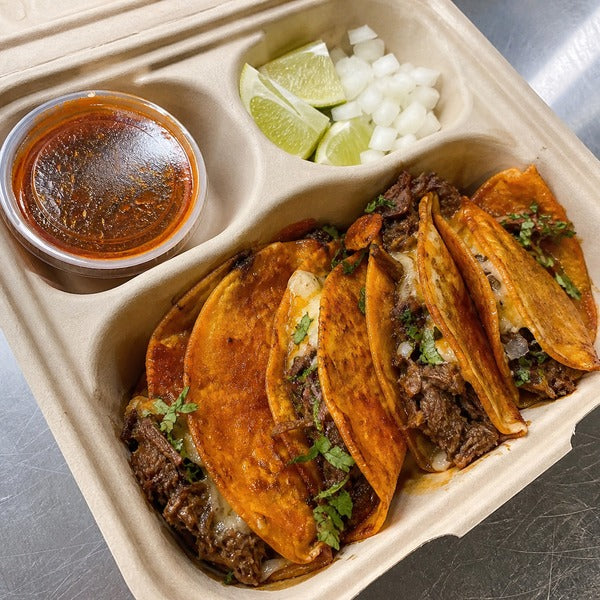
Birria is a chile-braised stew from Jalisco, classically goat and now most often beef, served as tacos dipped in their own consommé. Quesabirria — birria griddled into a cheese-crusted taco with a cup of consommé for dipping — has jumped from food trucks to national menus. Datassential lists birria among the fastest-growing dishes in American restaurants, noting it has expanded from regional specialty into tacos, consommé dips, and even birria pizza. One operational warning from our side of the business: birria is the single most packaging-sensitive taco style. The consommé must ship in a separately sealed cup, and the tacos need a vented container, or the order arrives soggy.
Suadero
Suadero is a Mexico City classic: a thin cut from between the brisket and belly, slow-confited in fat on a choricera until silky, then chopped crisp on the flattop. It is a late-night street staple with growing recognition in the U.S., and its low-cost cut makes it a margin-friendly specialty that signals authenticity to diners who know their taco varieties.
Campechano
Campechano means "mixed": typically carne asada combined with chorizo, suadero, or chicharrón in one taco. It is the taquero's answer to indecision and an easy premium upsell — you are combining proteins you already prep, charging more, and giving guests a reason to come back and try the components separately.
Pescado y Camarón (Baja Fish & Shrimp Tacos)
Pescado tacos are Baja California's gift to the taco world: beer-battered or grilled white fish on corn tortillas with shredded cabbage, crema, and lime. Camarón (shrimp) tacos follow the same Baja formula, grilled or fried. Both are dine-in stars and delivery risks — battered seafood loses crispness within about 15 minutes in a closed container. If you offer them to go, use vented packaging and pack crema and salsas on the side.
Tacos Dorados / Flautas
Tacos dorados ("golden tacos") are tortillas rolled around chicken, beef, or potato and fried crisp; when rolled long and thin they are called flautas. Topped with crema, queso fresco, and lettuce, they are a catering favorite because they portion neatly on trays and hold structure far better than soft tacos on a buffet line.
Tinga, Lengua, Cabeza & Adovada — Quick-Hit Regional Styles
Tinga is shredded chicken braised in chipotle-tomato sauce, a Puebla staple and one of the cheapest, highest-margin fillings you can run. Lengua is braised beef tongue, silky and mild — a trust signal for diners seeking authentic Mexican tacos. Cabeza is steamed beef head, usually cheek meat, rich and gelatinous, ideal as a weekend special. Carne adovada is New Mexico's red-chile braised pork, the style that bridges Mexican technique and American Southwest flavors. Running one or two of these alongside the mainstream types of Mexican tacos is the fastest way to differentiate from the taqueria down the street.
American-Style Hard Shell Tacos
The hard shell taco is a U.S. creation: a pre-fried, U-shaped corn shell filled with seasoned ground beef, shredded lettuce, cheddar, and tomato. Purists roll their eyes; operators should not. Hard shells are shelf-stable, fast to assemble, and kid-approved, which is why they still dominate school foodservice and QSR menus. The catch is fragility — hard shell taco holders are not optional at volume, because a tipped shell is a broken shell and a remade order.
Corn vs Flour, Soft vs Hard — Which Tortilla or Shell Should You Choose?
Corn tortillas are the traditional choice for nearly every authentic style — they are gluten-free, lower-cost, and flavor-forward, but they tear more easily and stale faster, which is why taquerias double them. Flour tortillas are stronger and more pliable, the default in northern Mexico and for anything overstuffed or grilled, like quesabirria variations. Hard shells trade authenticity for crunch, speed, and holding time.
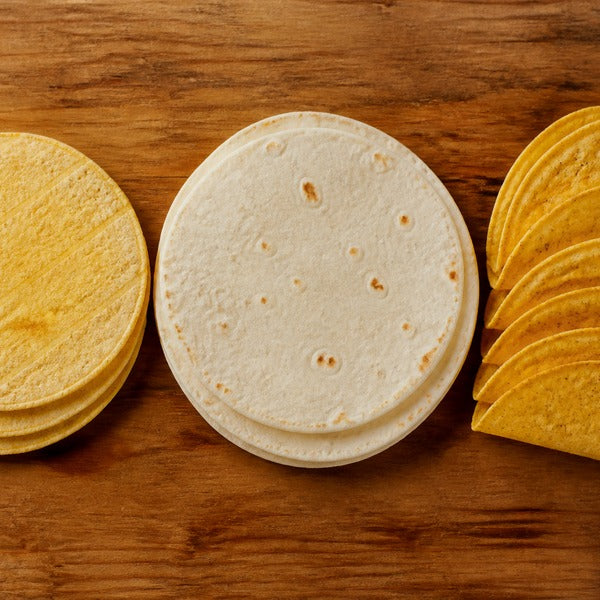
Our foodservice customers consistently tell us the soft-shell vs hard-shell decision comes down to throughput and travel time. High-volume counter service and delivery-heavy operations lean soft flour or double corn because they survive the trip; dine-in concepts with fast table turns can serve anything, including delicate single corn tortillas and fried shells. Whichever you choose, standardize the size — 4.5–5 inch tortillas for street-style service, 6 inch for entrée tacos — so your holders, trays, and to-go boxes all fit the same product.
How Do You Serve Tacos in a Foodservice Setting?
Serving tacos well is a stability problem: a taco is an open, top-heavy food that wants to fall over. In 15+ years supplying taquerias, food trucks, and full-service Mexican concepts at Restaurantware, we've seen which taco formats hold up best in high-volume service and delivery — and the difference is almost always the holder and the packaging, not the recipe.
Dine-In Presentation: Taco Holders & Stands
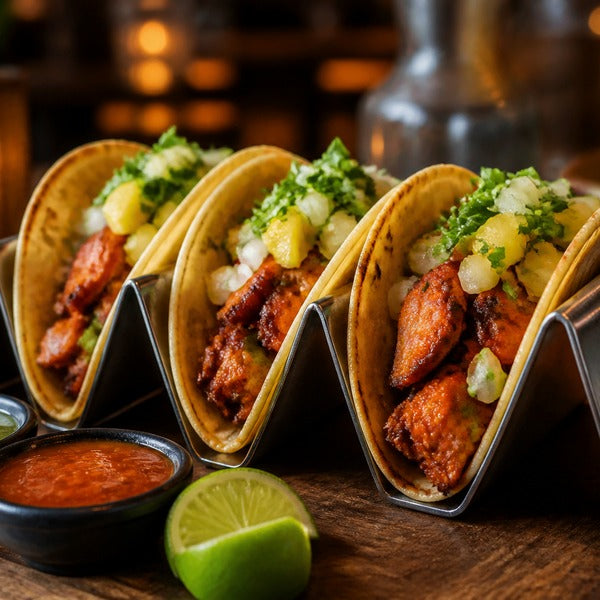
Upright presentation keeps fillings in place, speeds up the pass, and photographs better — which matters when your guests are your marketing department. For full-service concepts, a stainless steel triple taco holder presents a standard three-taco order upright and survives commercial dish cycles for years. For food trucks, fast casual, and events, disposable kraft paper taco holders give the same upright presentation without the washing, and paper food trays handle loaded styles like campechano at the counter. Browse the full range of taco holders and taco shell pans to match holder count and material to your service style.
Takeout & Delivery: Packaging That Travels
Off-premises is no longer a side channel — the National Restaurant Association reports nearly 75% of all restaurant traffic now happens off-premises across takeout, drive-thru, and delivery. That means most of your tacos will be eaten out of a box, and the box has to be engineered for it. We've packed and shipped enough taco-service supplies to know that birria and other saucy styles need leak-resistant, vented packaging with the consommé sealed separately — otherwise they arrive soggy and the refund request arrives shortly after. Compostable taco take-out containers with three compartments keep tacos upright and separate wet fillings from crisp shells, while paper take-out boxes cover burrito-adjacent items and family packs. For consommé and salsas, sealed cups are the rule — the same logic we cover in our guide to disposable soup bowls with lids for delivery.
Outfit your taco program: shop taco holders, stands & to-go packaging built for high-volume Mexican concepts.
How Do You Build a Taco Menu That Profits?
A profitable taco menu balances anchor styles with signature ones. Anchors — asada, al pastor, carnitas, tinga — drive volume and share prep across the line. Signatures — birria, suadero, lengua — justify premium pricing and give guests a reason to choose you. Food cost favors braised styles: tinga, carnitas, and barbacoa turn inexpensive cuts into premium menu items, while asada and camarón carry higher protein costs that need sharper pricing. Keep the list tight; six to eight taco styles executed well beat fifteen executed inconsistently, a principle we unpack in why you should make your menu smaller. And leave room to experiment — taco formats absorb global flavors unusually well, as we explore in what is fusion food.
Frequently Asked Questions
What type of tacos are the most popular?
Carne asada, al pastor, and carnitas are the most popular tacos in U.S. restaurants, with birria the fastest-growing style. American hard shell tacos remain the top seller in QSR and school foodservice, while Baja fish tacos lead in coastal markets.
What is the most popular taco in Mexico?
Tacos al pastor are widely considered the most popular taco in Mexico, especially in Mexico City, where trompo spits run all night. Regional favorites compete closely: suadero and campechano in the capital, carnitas in Michoacán, birria in Jalisco, and pescado in Baja California.
What are the three types of tacos?
Grouped at the broadest level, the three types of tacos are soft corn tortilla tacos (the traditional Mexican format), soft flour tortilla tacos (northern Mexican and Tex-Mex styles), and crisp hard shell tacos (the American format). Every named style fits one of these three shell categories.
What is the most authentic taco?
The most authentic taco is any regional Mexican style served on a soft corn tortilla with simple toppings — onion, cilantro, salsa, and lime. Barbacoa, carnitas, suadero, and al pastor all have century-deep roots; "authentic" describes technique and origin rather than one single taco.
What are the different styles or kinds of tacos?
The different styles of tacos include al pastor, carne asada, carnitas, barbacoa, birria, suadero, campechano, tinga, lengua, cabeza, carne adovada, pescado, camarón, tacos dorados or flautas, and American hard shell tacos — categorized by protein, Mexican region, and tortilla or shell type.
Conclusion: Match the Taco to the Service
Knowing the taco styles is step one; serving each style in the format it was built for is what separates a taco program that profits from one that leaks — sometimes literally. Anchor the menu with asada, pastor, and carnitas, differentiate with birria or suadero, choose corn or flour deliberately, and give every style the holder and packaging it needs to arrive upright and crisp. When you're ready to build the service side, shop taco holders, stands & to-go packaging — or explore paper food trays and paper take-out boxes for the rest of the line.
Related products: Taco holders & shell pans · Paper take-out boxes · Paper food trays