

Eco-Friendly Napkins: A Restaurant Operator's Buying Guide
Elevate your restaurant's green credentials with eco-friendly napkins that satisfy both sustainability goals and eco-conscious diners.

Looking to go green in your restaurant? Find out the eco-friendly foodservice solutions needed to make your cafe, bakery, or food truck sustainable. As sustainability continues to be a rising trend in the food and beverage industry, it’s more important than ever to take the necessary steps into making your establishment environmentally-friendly. We provide a variety of helpful articles, guides, and resources on how to simplify your restaurant’s approach to sustainability and improve your business’ environmental impact.
Our informative articles keep you updated on the latest restaurant sustainability trends, the best kitchen products for commercial use, ideas on how to create an eco-friendly cafeteria, and other eco-friendly topics. Learn all about the environmental issues affecting restaurants, why restaurants should go green, and how to create a sustainable menu. If you need help in taking the initiative to make your foodservice establishment completely eco-friendly or want to improve the sustainable aspects already set in place, our resources cover the essential topics to make the transition into a greener business easier.

Elevate your restaurant's green credentials with eco-friendly napkins that satisfy both sustainability goals and eco-conscious diners.

Zero waste practices are reshaping foodservice from the inside out. This article reveals how to cut waste without compromising quality or experience. See how restaurants are turning food waste into opportunity and setting a new industry standard.

Did you know that bamboo has numerous benefits that will make you change your current tableware to this eco-friendly option? Click here to discover what bamboo tableware is and a list of benefits this material offers.

Elevate your restaurant's sustainability with eco-friendly takeout packaging that attracts eco-conscious diners and enhances brand loyalty.
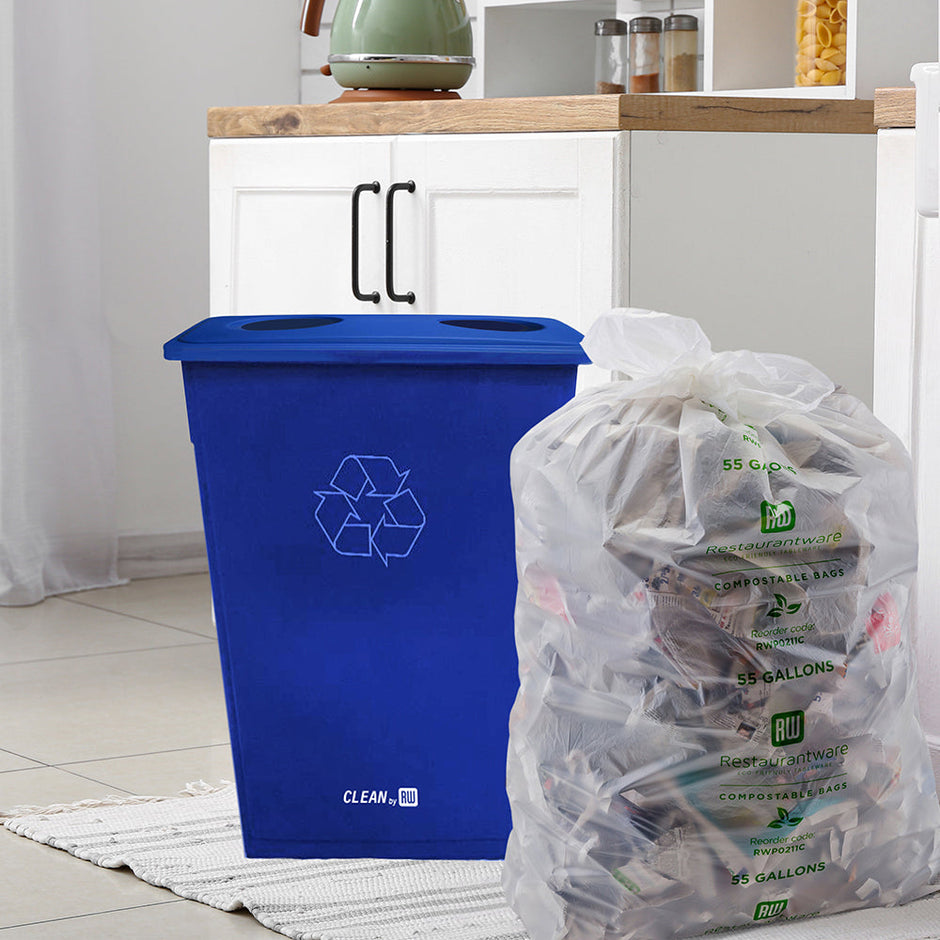
Unravel the mystery behind recycling symbols. Dive into our comprehensive guide to understanding the various plastic resin codes, their origins, and their implications for our environment. Make informed recycling choices today.
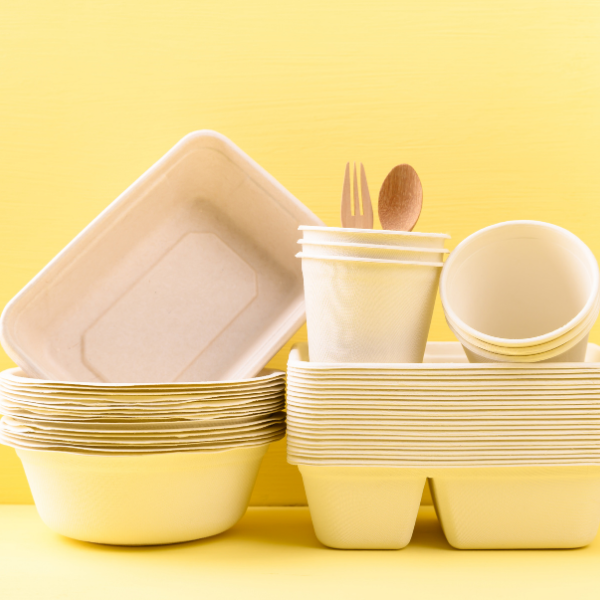
Dive into our comprehensive article highlighting the key differences between biodegradable and compostable materials. Learn their benefits, challenges, and their roles in waste reduction and environmental protection.

Treating hot and cold cups as interchangeable is a costly mistake — the right choice protects your staff, guests, and margins.

From scalded hands to leaking lids, the right disposable cup is more critical to your beverage program than you might think.

The box your food arrives in speaks before your chef does — find out what bulk catering pros demand from every container.

Matching the right container to your catering format can mean the difference between smooth service and costly chaos at scale.

A 5% container failure rate can quietly sink your soup program — learn which materials and designs actually hold under heat and transit.

Every operator who has watched a beautifully assembled salad arrive as a puddle of dressing and wilted greens understands the problem immediately. Cold food takeout is one of the fastest-growing segments in modern foodservice — and one of the most unforgiving when packaging fails. Unlike hot dishes that forgive minor flaws under steam, cold food is transparent in every sense. The contents are visible, the liquid is mobile, and a leaking lid is immediately obvious to the customer. The right leak proof food packaging isn't a minor operational detail. It's the difference between a loyal repeat customer and a one-star review posted before the fork hits the table. This guide from Restaurantware breaks down what actually works for salads and cold food in takeout and delivery — the container formats, lid designs, and material choices that protect food quality from kitchen to customer. Whether you're managing a fast-casual restaurant, running a catering operation, or sourcing packaging for a healthcare dining program, these recommendations offer a practical, actionable starting point. Summary Cold food packaging must manage condensation, moisture, and leaks to preserve freshness and presentation Leak-proof cold food containers rely on tight lid seals, rigid materials, and vent-free designs Clear PET and polypropylene containers are commonly used for salads, deli foods, and cold meal delivery Different cold menu items require different packaging solutions, from deli containers to salad bowls and protein bowls Tamper-evident packaging improves food safety, customer trust, and delivery reliability Bulk purchasing strategies can improve operational efficiency and reduce packaging costs Sustainable cold food packaging options, including rPET and compostable containers, help support environmental initiatives Table of contents Summary Why Cold Food Packaging Fails — And What That Costs You What Separates Truly Leak-Proof Containers From The Rest Matching The Right Container To Your Cold Menu Tamper Evidence, Food Safety, And Customer Trust Buying In Bulk: What Foodservice Operators Need To Know FAQs About Best Packaging for Cold Food Why Cold Food Packaging Fails — And What That Costs You The physics of cold food are fundamentally different from hot. Condensation builds inside the container as temperatures fluctuate during transit. Dressings and sauces find their way into lid gaps under lateral pressure. Tomatoes, cucumbers, and leafy greens release moisture naturally over time. A container that performs flawlessly with a warm entrée may fail completely when used as cold food takeout containers. The cost of packaging failure isn't just a messy bag. A leaking container compromises the food, frustrates the customer, and reflects directly on your brand. In delivery models — where you don't get a second chance to recover in person — packaging solutions for cold deli items and salads must perform correctly on every order, not most of the time. The most predictable failure points are: Lid seals that don't grip tightly enough Materials that warp under dense ingredients Hinge-style clamshells that pop open during transit Addressing these issues starts with understanding what leak-resistant packaging actually requires in real-world delivery conditions. The Condensation Problem Condensation is particularly damaging to cold food packaging integrity. When refrigerated food meets ambient air during transit, moisture collects on interior surfaces and migrates toward any gap in the seal. Airtight to go containers help minimize this by creating a secure perimeter that keeps internal moisture contained. For salads especially, this helps preserve crispness and prevents the soggy delivery experience that often leads to negative reviews and refund requests. What Separates Truly Leak-Proof Containers From The Rest Not all containers marketed as “leak-resistant” perform equally during actual delivery operations. Effective leak resistant containers for restaurants typically rely on four important design elements: Lid-to-base fit: Multi-point locking lids and snap-close seals perform more reliably than single-tab closures Material rigidity: PET and polypropylene containers maintain shape and sealing integrity under pressure Seal depth: Deeper seal channels help reduce leaks when containers tilt or stack during delivery Vent-free lids: Solid lids perform better for cold foods because vents can compromise sealing performance Material safety is also important. Foodservice operators should verify that containers meet FDA food-contact standards and appropriate food safety regulations. Matching The Right Container To Your Cold Menu Different cold foods require different packaging approaches. Salads, deli sides, chilled protein bowls, and prepared foods all behave differently during transport. Clear Containers For Salads Salad takeout containers serve both packaging and merchandising purposes. Customers often judge freshness visually, making clear containers especially valuable for grab-and-go operations. Clear takeout containers for salads made from high-clarity PET remain popular because they: Showcase freshness Improve presentation Offer strong leak resistance Support customer convenience For many operations, stocking disposable salad bowls in bulk helps reduce packaging costs while simplifying inventory management. Deli Containers For Prepared Cold Foods Deli container lids with leak-proof seals are ideal for: Potato salad Pasta salad Coleslaw Marinated vegetables Prepared deli items Round deli containers stack efficiently and help improve storage organization in high-volume kitchens. For example, a catering company that switched from hinged clamshells to round deli containers with locking lids saw fewer leakage complaints and faster packing times during large event preparation. Bowls For Protein And Grain-Based Meals Cold grain bowls, sushi bowls, and protein-based meals require containers with stronger structural support. Flat-base bowls with secure lids help: Prevent ingredient shifting Preserve presentation Maintain structural integrity during delivery These formats are often considered some of the best containers for cold food delivery because they balance presentation with performance. Tamper Evidence, Food Safety, And Customer Trust Tamper-evident packaging has become increasingly important in modern takeout and delivery operations. Many customers now expect visible food safety measures when receiving delivery orders. Tamper evident cold food containers may include: Tear-away lid seals Peel-and-seal film tops Break-indicator locking systems These features help reassure customers that food has remained sealed throughout transit. Tamper-evident packaging is particularly valuable in: Healthcare dining Institutional foodservice Third-party delivery operations Proper cold food packaging should also work alongside insulated delivery bags and refrigerated staging systems to maintain food safety and freshness throughout delivery. Buying In Bulk: What Foodservice Operators Need To Know Most restaurants and catering operations purchase cold food packaging in bulk to improve efficiency and reduce costs. When sourcing wholesale leak proof containers, operators should focus on: Standardizing container sizes to reduce inventory complexity Choosing interchangeable lid systems when possible Evaluating case quantity pricing for long-term savings Testing storage compatibility and stackability For catering operations specifically, the best leak proof containers for catering are those that maintain performance even during extended transport or outdoor service conditions. Sustainability In Cold Food Packaging Many businesses are also prioritizing sustainable cold food packaging solutions. Popular eco-friendly options include: Recycled PET (rPET) containers Compostable salad bowls Recyclable deli containers Sustainable packaging materials Businesses exploring compostable products should verify ASTM D6400 certification and ensure compatibility with local composting infrastructure before implementation. FAQs About Best Packaging for Cold Food Q: What is the best material for leak-proof cold food containers? A: PET and polypropylene are commonly recommended for cold food packaging. PET offers strong clarity and presentation benefits, while polypropylene provides excellent durability and temperature resistance. Q: Can I use the same containers for hot and cold food? A: Some containers support dual-temperature applications, but cold food packaging generally benefits from vent-free lids and deeper seals designed specifically for moisture control. Q: How do I prevent salad dressing from leaking during delivery? The most reliable solution is packaging dressings separately in sealed portion cups. When included inside the main container, airtight snap-close lids help minimize leakage. Q: What sizes work best for catering salads? A: 48 oz and 64 oz containers are commonly used for catering salad portions and buffet-style cold food presentations. Restaurantware offers a wide selection of cold food packaging solutions, including clear salad containers, deli containers with leak-proof lids, tamper-evident bowls, and wholesale leak-proof food containers designed for restaurants, catering businesses, and institutional foodservice operations.
