Winter Menu Ideas: A Restaurant Operator's Seasonal Planning Guide
The best winter menu ideas for restaurants fall into five categories: hearty soups and stews, braised comfort mains, roasted root vegetables and squash, hot drinks and winter cocktails, and warm desserts. Seasonal winter specials drive traffic and margins because in-season ingredients cost less while consumers actively seek out cold-weather comfort food and limited-time offers.
Search for winter menu ideas and you'll find page after page of home-cook recipe roundups — 30-minute dinners, cozy casseroles, family soup nights. Helpful for a Sunday at home; useless when you're costing a seasonal menu for 200 covers a night. This guide is different: it is a winter menu playbook for restaurant operators, covering what to run, how to price it, how to serve it, and how to turn the coldest quarter of the year into one of the most profitable. Every category below includes example dishes, a food-cost note, and the back-of-house execution details that recipe blogs skip.
TL;DR — Winter Menu Planning at a Glance
- Run 3–6 seasonal items, not a full menu overhaul — enough to market, few enough to execute.
- Build around cheap in-season ingredients: root vegetables, winter squash, cabbage, citrus, and braising cuts deliver the lowest food-cost percentages of the year.
- Add a winter drink menu: hot cocktails, spiced cider, and specialty cocoa routinely run at beverage-level margins.
- Use LTO framing: Technomic's Flavor Consumer Trend Report found 35% of consumers are more likely to try an item that is only on the menu for a limited time.
- Plan holding and to-go gear before launch: soups and braises need 135°F+ hot-holding and leak-resistant packaging to travel.
| Winter Menu Category | Example Items | Cost/Margin Note | Serving Gear |
|---|---|---|---|
| Soups, stews & chilis | Butternut bisque, beef stew, white chicken chili | Lowest food cost on the menu; batch-friendly | Soup crocks; vented to-go soup containers |
| Braised comfort mains | Short ribs, osso buco, pork shoulder ragù | Cheap cuts + low labor at service; premium menu price | Deep bowls, cast-iron presentation |
| Seasonal sides | Roasted roots, squash, braised greens | In-season produce at seasonal-low pricing | Ramekins & sauce cups, share plates |
| Hot drinks & cocktails | Mulled wine, hot toddy, spiked cocoa, spiced lattes | Beverage-level margins; strong add-on sales | Mugs, paper hot cups, dispensers |
| Warm desserts | Bread pudding, cobbler, sticky toffee pudding | Pantry-ingredient desserts; high perceived value | Ramekins, mini cast iron, dessert dishes |
| Winter LTOs & holiday specials | Prix fixe holiday menu, weekend braise special | Urgency pricing; test items for the core menu | Menu inserts, updated menu covers |
Why Does a Dedicated Winter Menu Matter?
A dedicated winter menu matters because it aligns your kitchen with three forces at once: consumer demand for seasonal flavors, the calendar-year low point in produce and protein costs for cold-weather ingredients, and the proven pull of limited-time offers. Technomic's Flavor Consumer Trend Report found that 37% of consumers are more likely to try a new flavor or menu item when it features seasonal ingredients, and 32% say their flavor preferences change with the season — numbers that climb higher among diners aged 18–34 (source: Restaurant Business / Technomic, current as of August 2026).
The limited-time-offer effect stacks on top of that. Datassential's Limited Time Offer Keynote report found that 54% of operators say LTOs are a central part of their business, and roughly three in ten consumers are driven to try an LTO simply because it looked good in advertising or in-store photos (source: Datassential, current as of August 2026). A winter special is the easiest LTO you will ever run: the theme writes itself, the ingredients are at their annual price low, and the marketing photography — steam, broth, melted cheese, mugs by a window — practically shoots itself.
There is also a defensive reason. The National Restaurant Association's 2026 State of the Restaurant Industry report projects $1.55 trillion in industry sales with operators facing persistent cost pressure and uneven traffic (source: National Restaurant Association, current as of August 2026). January and February are historically soft-traffic months for most full-service concepts. A compelling winter comfort food menu gives guests a reason to come in during exactly the weeks they otherwise stay home.
How Do You Plan a Winter Menu?
Planning a winter menu is a four-step process: start with in-season ingredients, slot them into menu categories, price for margin, then confirm you have the serving and to-go gear to execute. Seasonal menu planning fails most often at step four — a soup special that leaks in delivery bags undoes everything steps one through three earned.
- Start with in-season ingredients. Winter's workhorses are root vegetables (carrots, parsnips, beets, turnips), winter squash, potatoes, sweet potatoes, cabbage and hearty greens, leeks, and citrus. The USDA's SNAP-Ed Seasonal Produce Guide keeps a current winter list. On the protein side, braising cuts — chuck, short rib, pork shoulder, lamb shank, oxtail — carry the lowest per-pound cost in the meat case and reward the long, slow cooking winter menus are built on.
- Slot ingredients into categories. Aim for one or two additions in each of the five categories below rather than ten new entrées. Three to six seasonal items is the sweet spot: enough to anchor marketing, few enough that prep, training, and inventory stay manageable.
- Price for margin, not just food cost. Winter items typically carry below-average food-cost percentages, which gives you room to price at or slightly above your menu median while still delivering strong perceived value. More on menu engineering below.
- Confirm serving gear and holding equipment. Soups need 135°F+ hot-holding and vented to-go containers. Hot drink programs need cups, lids, sleeves, and dispensers sized for your volume. Order this gear in early fall — not the week your special launches.
Winter Menu Ideas by Category
These six categories cover the winter food ideas for restaurants that structure nearly every successful seasonal menu. Each includes example dishes and the foodservice execution note that determines whether the item actually makes money.
Hearty Soups, Stews & Chilis
Soup is the highest-margin food category on most winter menus — largely trim, bones, aromatics, and batch labor. Strong performers include roasted butternut squash bisque, French onion, smoked brisket chili, white chicken chili, Tuscan white bean and kale, and a rotating "soup of the day" that absorbs prep surplus from the rest of the line.
Foodservice note: the FDA Food Code sets 135°F as the minimum hot-holding temperature for cooked foods like soups and stews on your service line — check local code, which is typically modeled on it (source: FDA Food Code, current as of August 2026). For off-premises orders, use vented, leak-resistant disposable soup containers — venting releases steam so lids stay sealed and crackers or bread stay dry in the bag. Getting soup to travel well matters more in winter than any other season, because soup is what winter delivery customers order.
Braises & Slow-Roasted Comfort Mains
Braises are the menu engineer's favorite winter category: inexpensive cuts, hands-off cooking, and a premium plate presence. Menu-ready examples include red-wine-braised short ribs over root vegetable purée, osso buco with gremolata, pork shoulder ragù over pappardelle, coq au vin, lamb shank with white beans, and slow-roasted pork belly with braised cabbage.
Foodservice note: braises are done before service starts, which flattens ticket times on your busiest winter nights and lets a smaller line crew handle volume — a real advantage in a tight labor market. They also reheat and travel exceptionally well, making them the rare center-of-plate item that performs as strongly in delivery as in the dining room.
Seasonal Sides — Root Vegetables, Squash & Winter Greens
Winter sides are where seasonal menu ideas meet the lowest ingredient costs of the year. Think maple-roasted root vegetables, brown-butter delicata squash, potato-parsnip gratin, braised red cabbage, charred Brussels sprouts with bacon and cider glaze, and citrus salads that add brightness to an otherwise rich menu. A shareable "winter vegetable board" turns three cheap sides into a premium-priced appetizer.
Foodservice note: individual portions served in ramekins and sauce cups hold temperature better than open plating, standardize portion cost, and photograph beautifully — useful when the winter menu is doing double duty as social media content.
Hot Drinks & Winter Cocktail Specials
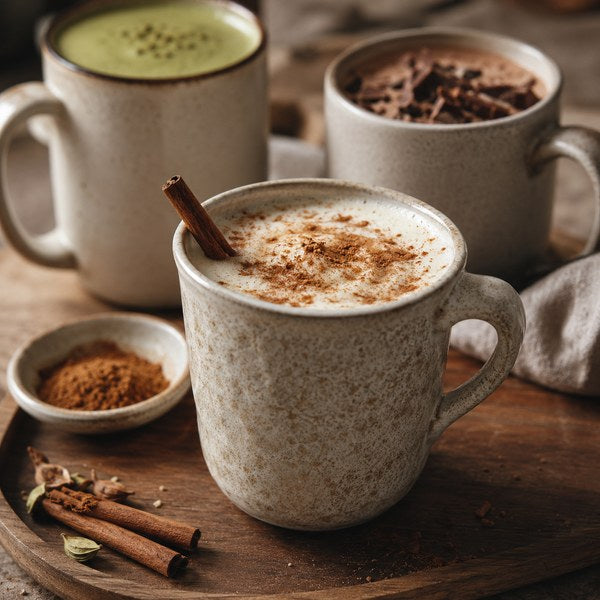
A winter drink menu is the single fastest margin win of the season. Hot beverages cost cents on the dollar and sell as impulse add-ons all day. Build a program around mulled wine, hot toddies, Irish coffee, spiked hot chocolate with house toppings, spiced chai and seasonal lattes, and non-alcoholic warmers like hot spiced cider and golden milk. A build-your-own cocoa or cider bar converts brunch and private-event traffic, too. For pour-and-serve recipes your bar team can batch, see our roundup of seven winter drinks to keep guests warm.
Foodservice note: volume hot-drink service lives or dies on equipment. Airpots and insulated dispensers keep batched cider and cocoa at temperature without a burner; our coffee dispenser buying guide walks through sizing them for your daypart volume. For to-go, double-walled or sleeved paper hot cups protect hands and hold heat through a winter parking-lot walk.
Warm Desserts & Baked Goods
Winter dessert menus should lean warm, baked, and nostalgic: sticky toffee pudding, warm apple or pear cobbler, bread pudding with bourbon caramel, molten chocolate cake, gingerbread with citrus cream, and skillet cookies served hot. Most are pantry-ingredient builds — flour, butter, sugar, eggs, seasonal fruit — that cost little and command strong prices because "warm dessert on a cold night" sells itself. Baked-to-order items in individual ramekins or mini cast iron also stagger dessert firing, smoothing the pastry station's load during peak turns.
Winter LTOs & Holiday Specials
Winter LTOs convert the season's built-in urgency into traffic. Proven formats include a weekend-only braise special, a "12 days of..." rotating feature, a New Year comfort-food prix fixe, and a Valentine's tasting menu — a fixed-price format that simplifies prep and raises average check, as we cover in why you should use prix fixe menus at your restaurant. Winter LTOs are also your lowest-risk R&D lab: an item that outsells projections in February has earned a look for the permanent menu. If you ran fall specials, roll their momentum forward — the operators who executed pumpkin-inspired menu ideas in October already have the seasonal-rotation muscle this category requires.
Foodservice note: keep winter restaurant specials on printed inserts rather than reprinting the core menu. Swapping an insert costs almost nothing and lets you retire an underperformer mid-season without waste.
How Do You Price and Menu-Engineer Winter Items?
Menu engineering for winter items means pricing off the margin advantage seasonal ingredients hand you — not just marking up from food cost. Three rules cover most situations:
- Price braises and soups at contribution margin, not cost-plus. A short rib entrée with a 22% food cost priced only by multiplier leaves money on the table. Price against comparable proteins on your menu; guests benchmark braised short rib against steak, not against its ingredient cost.
- Watch portion creep on stews and gratins. Ladled and scooped items drift oversize on a busy line. Spec the ladle, spec the ramekin, and portion cost stays fixed — one reason standardized vessels beat freehand plating for seasonal sides.
- Use LTO framing on menus and social. "Available through February" outperforms an unlabeled new item; that 35% limited-time lift only triggers when guests know the clock is running. Position winter specials in prime menu real estate — top-right of the insert, first scroll on delivery apps.
Track each winter item weekly on two axes — popularity and contribution margin — and act at mid-season: promote the stars, re-price or re-plate the high-margin slow movers, and cut anything that fails both tests before it eats another month of inventory.
Serving & Presentation: The Gear That Makes a Winter Menu Work
In 15+ years supplying more than 40,000 foodservice operations, we've seen the same pattern every winter: the operators who struggle aren't the ones with weak recipes — they're the ones who launched a soup-and-braise-heavy menu without the holding equipment, vessels, and to-go packaging to execute it. The menu is a promise; the gear is what keeps it.
Four categories to audit before your winter menu launches:
- Soup service and to-go: crocks and deep bowls for the dining room; vented disposable soup containers in 8, 12, and 16 oz for takeout and delivery so broths arrive hot and sealed.
- Hot beverage program: airpots, dispensers, mugs, hot cups, lids, and sleeves — everything in our coffee service collection is built for exactly this seasonal ramp-up.
- Individual bakeware and sides: ramekins, mini cocottes, and cast-iron minis that go oven-to-table and keep winter sides and desserts hot longer than open plates.
- Menu presentation: seasonal inserts and updated menu covers & books that signal the refresh the moment guests sit down — a new insert in a worn cover undersells the work your kitchen put in.
Our foodservice customers consistently tell us the winter to-go surge catches them off guard: soup and hot-drink delivery orders can double when the temperature drops, and running out of vented lids in mid-January means substituting containers that leak. Order winter packaging in the fall at projected-demand volumes, not trailing-season volumes.
Frequently Asked Questions
How do you plan a winter menu for a restaurant?
Plan a winter menu in four steps: build around in-season ingredients (root vegetables, squash, citrus, braising cuts), add 3–6 items across soups, mains, sides, drinks, and desserts, price against contribution margin, and confirm hot-holding equipment and to-go packaging before launch. Start planning in early fall for a November rollout.
What foods should be on a winter menu?
A winter menu should include hearty soups and stews, braised or slow-roasted comfort mains, roasted root vegetables and winter squash sides, hot drinks and seasonal cocktails, and warm baked desserts. These categories match winter consumer cravings while using the season's most cost-effective ingredients.
What are popular winter drink specials?
Popular winter drink specials include mulled wine, hot toddies, Irish coffee, spiked hot chocolate, spiced cider, chai and seasonal spiced lattes, and non-alcoholic warmers like golden milk. Batched hot drinks served from dispensers deliver some of the highest margins on a winter menu.
Which winter ingredients are in season and most cost-effective?
The most cost-effective winter ingredients are root vegetables (carrots, parsnips, beets, turnips), potatoes and sweet potatoes, winter squash, cabbage, leeks, hearty greens like kale, and citrus fruits — plus braising cuts such as chuck, short rib, pork shoulder, and lamb shank. The USDA publishes a seasonal produce guide listing winter availability.
How many seasonal items should a winter menu add?
Add three to six seasonal items — typically one or two per category — rather than overhauling the menu. That range is enough to market a "winter menu" credibly while keeping prep, training, and inventory manageable. Run them as limited-time offers on menu inserts so underperformers can be cut mid-season.
How do winter LTOs and seasonal specials affect restaurant sales?
Winter LTOs lift traffic and trial: Technomic research shows 35% of consumers are more likely to try an item available only for a limited time, and 37% are more likely to try items featuring seasonal ingredients. Seasonal specials also raise average check through hot-drink add-ons and premium-priced comfort mains during otherwise slow winter months.
Make This Winter Your Most Profitable Season
Winter menu ideas work when they connect three things: what guests crave in cold weather, what ingredients cost least in cold weather, and what your kitchen and packaging can execute night after night. Pick your five categories, run your specials as LTOs, price off contribution margin, and have the gear ready before the first cold snap. Start with the essentials — stock up on disposable soup containers for the to-go surge and build out your hot beverage program with our coffee service collection — and your winter menu will be selling before the snow sticks.