12 Types of Eggnog: A Foodservice Guide
Eggnog is a chilled holiday drink made from milk, cream, sugar, and whipped eggs, served plain or spiked. The main types of eggnog include classic American, bourbon, rum, brandy, Puerto Rican coquito, Mexican rompope, vegan nog, and eggnog lattes — twelve styles operators can adapt for seasonal menus.
TL;DR — The 12 Types of Eggnog at a Glance
| Type of Eggnog | Base Spirit | Signature Ingredient | Best Service Format |
|---|---|---|---|
| 1. Classic American | None (non-alcoholic) | Nutmeg | Chilled goblet or punch cup |
| 2. Bourbon Eggnog | Bourbon | Vanilla-caramel oak notes | Rocks glass or goblet |
| 3. Rum Eggnog | Aged or spiced rum | Molasses warmth | Punch bowl service |
| 4. Brandy Eggnog | Brandy or cognac | Dried-fruit richness | Coupe or goblet |
| 5. Coquito | White rum | Coconut milk + cream of coconut | Small chilled glass |
| 6. Rompope | Rum or grain alcohol | Cinnamon + Mexican vanilla | Cordial glass or dessert pairing |
| 7. Ponche Crema | Rum | Sweetened condensed milk + lime zest | Chilled, over ice |
| 8. Advocaat | Brandy | Egg-yolk custard texture | Spoon-thick pour or Snowball cocktail |
| 9. Tom and Jerry | Rum + brandy | Hot batter, served warm | Ceramic or glass mug |
| 10. Eggnog Latte | None (optional liqueur) | Espresso | Double-wall glass or to-go cup |
| 11. Vegan / Plant-Based Nog | Optional | Oat, almond, or coconut base | Any standard eggnog format |
| 12. Aged Eggnog | High-proof blend | 3+ weeks refrigerated aging | Small-format tasting pour |
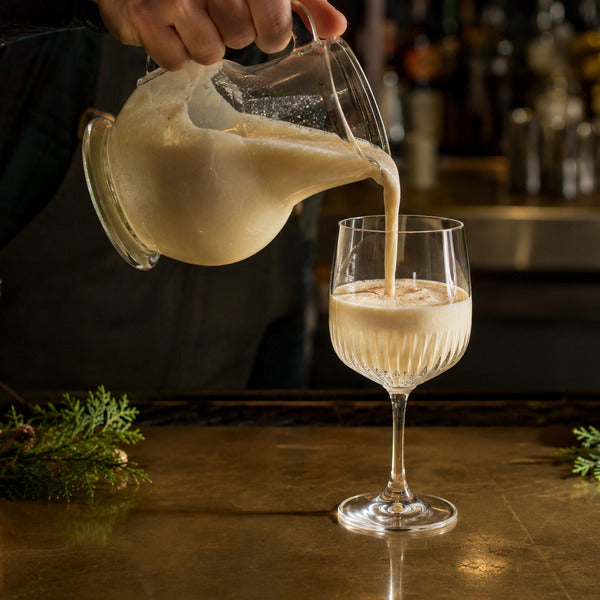
Few holiday beverages divide guests like eggnog — and few reward a well-planned seasonal menu more. This guide breaks down 12 types of eggnog, from the classic American recipe to coquito, rompope, advocaat, and modern vegan nog, with practical serving notes for restaurants, bars, cafes, and catering operations. In 15+ years supplying more than 40,000 foodservice operations, we've watched eggnog programs evolve from a single punch bowl into full seasonal beverage lines — and the operators who treat different kinds of eggnog as a menu category, not a single drink, consistently sell more of it.
What Is Eggnog, and How Is It Categorized?
Eggnog is a sweetened dairy beverage made from milk, cream, sugar, and eggs, typically finished with nutmeg and often fortified with rum, brandy, bourbon, or whiskey. Under the U.S. Food and Drug Administration's standard of identity (21 CFR 131.170), commercially sold eggnog must contain at least 6 percent milkfat and no less than 1 percent egg yolk solids by weight, and it must be pasteurized or ultra-pasteurized.
So what is eggnog made of in practice? Four building blocks: a dairy (or plant-based) body, an egg component for richness, a sweetener, and warm baking spices — with an optional spirit as the fifth variable. Every one of the eggnog variations below simply adjusts one or more of those five levers, which is why a single well-made base can power most of a holiday menu.
The different types of eggnog are best categorized three ways:
- By spirit: non-alcoholic, bourbon, rum, brandy, or blended.
- By origin: American classic, Puerto Rican coquito, Mexican rompope, Venezuelan ponche crema, Dutch advocaat.
- By format: chilled, hot (Tom and Jerry, eggnog latte), plant-based, or aged.
What Are the 12 Different Kinds of Eggnog?
The 12 kinds of eggnog below cover every direction a seasonal beverage program can take — traditional, international, coffee-forward, and dietary-inclusive.
1. Classic American Eggnog
Classic American eggnog is the benchmark: milk, heavy cream, sugar, whipped eggs, and freshly grated nutmeg, served cold and unspiked. It is the family-friendly anchor of any holiday menu and the base most other eggnog variations build on. Batch it in advance and serve from a chilled dispenser to keep pours consistent during rushes. For catering, hold the base below 40°F and garnish at the point of service — pre-grated nutmeg loses its aroma within hours, while a fresh microplane pass over each cup costs seconds and reads as premium.
2. Bourbon Eggnog
Bourbon eggnog is the Southern standard, pairing the custard base with bourbon's vanilla, caramel, and oak notes. A ratio of 1 to 1.5 oz bourbon per 6 oz of base keeps the drink balanced. It performs well as a signature holiday cocktail with a premium-spirit upcharge — listing the distillery by name on the menu justifies a $2–4 lift over the well version.
3. Rum Eggnog
Rum eggnog is the oldest spiked style in the Americas — colonial taverns used Caribbean rum because it was cheaper than imported brandy. Aged or spiced rum adds molasses warmth that flatters nutmeg and cinnamon. It is the natural choice for punch-bowl and catering formats.
4. Brandy Eggnog
Brandy eggnog is the original European-influenced style, echoing the drink's roots in British "posset." Brandy or cognac lends dried-fruit depth that reads more refined than rum or bourbon versions — a fit for upscale dining rooms and holiday prix fixe pairings.
5. Coquito
Coquito is Puerto Rico's coconut eggnog, blending white rum with coconut milk, cream of coconut, sweetened condensed milk, cinnamon, and vanilla; many family recipes skip raw egg entirely. Serve it in small chilled glasses — it is rich, and smaller portions protect margins. Coquito is one of the fastest-growing holiday drinks our customers ask about, and it holds beautifully in bottled pre-batches — some operators sell sealed take-home bottles alongside by-the-glass pours.
6. Rompope
Rompope is Mexico's cooked eggnog, created by convent kitchens in Puebla and built on egg yolks, milk, sugar, cinnamon, and Mexican vanilla, spiked with rum or neutral spirit. Because the base is cooked, it sidesteps raw-egg concerns. It doubles as a dessert sauce over flan or ice cream, which lets kitchens amortize one batch across the beverage and dessert menus at once.
7. Ponche Crema
Ponche crema is Venezuela's holiday nog: a rum-based cream punch thickened with egg and sweetened condensed milk, brightened with lime zest. It is bottled commercially in Latin America, and it gives Latin-inspired menus an authentic seasonal signature.
8. Advocaat
Advocaat is the Dutch cousin of eggnog — a thick, spoonable custard of egg yolks, sugar, and brandy. On its own it is nearly a dessert; mixed with sparkling lemonade it becomes the Snowball, a low-effort holiday cocktail that adds a European accent to bar menus.
9. Tom and Jerry
The Tom and Jerry is hot eggnog: a whipped egg-and-sugar batter spooned into a mug, spiked with rum and brandy, then topped with hot milk or water and nutmeg. A Midwest tradition since the 1800s, it turns eggnog into a warming drink for patios, ski lodges, and winter markets — anywhere a cold pour would sit untouched. Hold the batter cold and build each mug to order; it takes under a minute per drink.
10. Eggnog Latte
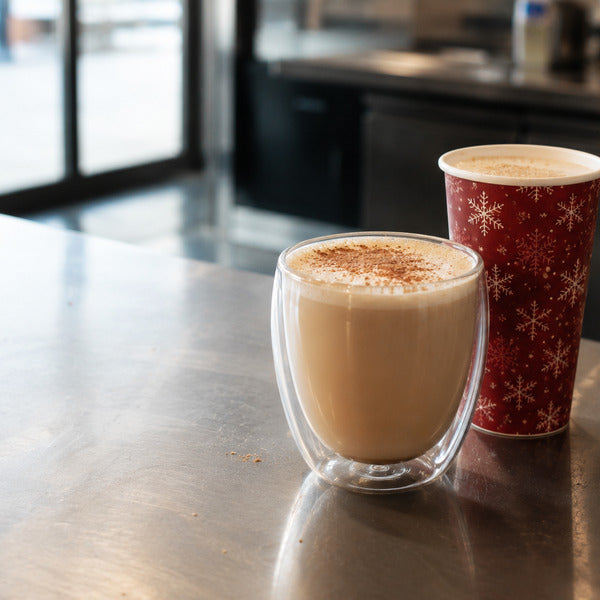
The eggnog latte replaces steamed milk with steamed eggnog base under a shot of espresso. It is the highest-velocity eggnog format in foodservice because it works all day, travels well, and needs no liquor license. Cafes can run it as a limited-time offer through November and December — seasonal LTOs remain one of the most reliable traffic drivers, and Datassential reports 64 percent of consumers are looking forward to new food and beverage trends in 2026.
11. Vegan and Plant-Based Nog
Vegan nog replaces dairy and eggs with oat, almond, soy, or coconut milk, thickened with cashew cream or starches and spiced identically to the classic. Stocking one plant-based nog keeps the whole table ordering in the round — our foodservice customers consistently tell us that a single dairy-free holiday option measurably lifts group beverage sales.
12. Aged Eggnog
Aged eggnog is a high-proof batch — typically rum, bourbon, and brandy combined — refrigerated for three weeks or more, during which the alcohol mellows the mixture and the texture turns silky. It is a bar-program showpiece: date the batch, list it as a limited release, and pour small tasting formats at a premium. The high alcohol content (around 20 percent of total volume) inhibits bacterial growth during aging, but commercial operations should still build batches on pasteurized egg products and document the process for health-inspection purposes.
Planning a full holiday beverage program? Browse the holiday magic guide for seasonal drinkware, serveware, and to-go packaging that puts these 12 eggnog styles to work.
How Should Operators Choose and Serve Eggnog?
Choosing the right kinds of eggnog for your menu comes down to four operational questions:
- Food safety first. The USDA Food Safety and Inspection Service advises cooking egg-based drinks like eggnog to an internal temperature of 160°F, or using pasteurized egg products, which can safely replace raw eggs in recipes that won't be cooked. Commercial eggnog is already pasteurized by regulation.
- Batch for consistency. Eggnog is a batch drink. Pre-mix bases, hold them cold, and add spirits per order so one base yields classic, bourbon, rum, and brandy versions.
- Portion deliberately. Rich styles like coquito and advocaat perform best at 4–6 oz. Smaller pours protect food cost and let guests try more than one type of eggnog.
- Match the vessel to the style. Chilled styles read best in clear stemmed or double-wall glassware; hot styles need handled mugs; to-go programs need insulated, lidded cups.
Pricing follows format. Non-alcoholic classic and eggnog lattes are volume plays priced near your specialty-coffee tier; spiked and aged versions are margin plays that carry cocktail pricing. In 15+ years of holiday seasons, the pattern we see across our customer base is consistent: operations that list at least one non-alcoholic, one spirited, and one dairy-free style capture the entire table instead of a single drinker, and their eggnog category outsells single-offering menus by a wide margin.
How Do Restaurants Put Eggnog on the Menu?
Presentation is where eggnog programs earn their margin, and it starts with the right vessels. For chilled classic, bourbon, or brandy eggnog, a footed glass like the Voglia Nude 14 oz crystal water goblet (SKU RWG0062-12) from our drinking glasses collection gives the drink a traditional punch-cup silhouette with modern clarity. For eggnog lattes and Tom and Jerrys, double-wall vessels such as the Forma Professional 10 oz double wall beverage glass (SKU RWG0002) — part of our glass coffee mugs, cappuccino cups & saucers line — showcase the layered pour while insulating hands. Cafes running a to-go eggnog latte LTO can reach for the Restpresso 12 oz red Christmas snowflakes paper coffee cup with lid (SKU RWA1476R), which turns every takeout order into seasonal marketing.
Round out the season by cross-merchandising eggnog with the rest of your holiday lineup: pair pours with our top 10 christmas desserts, build a station using our guide on how to create a festive holiday coffee bar, and slot eggnog lattes alongside the most popular seasonal coffees. Bars can counter-program with best winter beers, and managers can prep the whole operation with our checklist of restaurant supplies you need this holiday season.
Frequently Asked Questions About Eggnog
What exactly is eggnog made of?
Eggnog is made of milk, cream, sugar, and whipped eggs — typically the yolks for richness and sometimes beaten whites for loft — finished with nutmeg, cinnamon, or vanilla. Commercial versions in the U.S. must contain at least 6 percent milkfat and 1 percent egg yolk solids under FDA regulation 21 CFR 131.170.
Is eggnog alcoholic?
Eggnog is not inherently alcoholic. Store-bought cartons and the classic American base contain no liquor, while spiked versions add rum, brandy, bourbon, or whiskey. International styles vary: coquito, rompope, ponche crema, advocaat, and aged eggnog are traditionally alcoholic, while eggnog lattes and vegan nog are usually not.
Where did eggnog originate?
Eggnog originated in medieval Britain as "posset," a hot drink of milk curdled with ale or wine that aristocrats enriched with eggs and sherry. Colonists carried the drink to North America in the 1700s, where abundant dairy and inexpensive Caribbean rum turned it into the holiday staple known today. The name likely combines "noggin," a small wooden drinking cup, with "grog," a term for rum.
Why does my stomach hurt after drinking eggnog?
Stomach pain after eggnog usually comes from its heavy load of dairy fat, lactose, and sugar, which digest slowly — especially for lactose-intolerant guests. Undercooked raw egg in homemade batches can also carry Salmonella risk; USDA FSIS advises heating egg-base drinks to 160°F or using pasteurized eggs. Plant-based nog is the easy lactose-free alternative.
Conclusion: Build Your Eggnog Program Before the Rush
From classic American eggnog to coquito, rompope, advocaat, and aged small-batch pours, these 12 types of eggnog give any operation a full season of menu material. Pick two or three styles that fit your concept, batch the base, portion smart, and serve each in glassware that earns the price point. Explore the holiday magic guide and our drinking glasses collection to outfit your eggnog service before the holiday rush hits.