In the eclectic world of gastronomy, there exists an art that intertwines the realms of aesthetics and flavor: the art of cutting and presenting cheese. Unlike more familiar food preparation techniques, the cutting and presentation of cheese hold a niche but fundamental place within the culinary tradition, one that is steeply rooted in history and refined by connoisseurs over centuries.
The Art Of Cutting And Presenting Cheese
You might think it's just cheese; how complicated could it be? Surprisingly, there’s much more to this than meets the eye. Cheese, a product of careful fermentation, is a versatile and complex delicacy in numerous textures, shapes, and sizes. Its enjoyment is as much a visual experience as it is gustatory. Each slab of cheese, each block, wheel, or wedge, is a canvas ready to be crafted. Like sculptors, we chisel our way into cheese, exposing hidden layers, revealing delicate lines and patterns, and bringing out the richness of its character and personality.
From creamy Brie, harboring a velvety texture within its soft rind, to a crumbly and tangy Stilton with its trademark veins - each variety necessitates a unique technique to accurately capture and highlight its attributes. The way you cut, the angle of your knife, the thickness of your slice, and the final presentation all exceptionally impact the taste, the appeal, and, consequently, the shared enjoyment of cheese.
Importance Of Correct Cheese Cutting Techniques
Correct cheese-cutting techniques enhance the dining experience in numerous ways, beginning with the flavor. Cheese isn't just about taste; it's about the interplay of texture and aroma with taste. Cutting cheese inappropriately can steal its soul, its true essence. For instance, taking a large chunk out of a bloomy-rinded Brie, or making irregular slices of a Cheddar, may lead to a disproportionate ratio of rind-to-paste, making it harder to appreciate the desired harmony of flavors in each bite.
Additionally, there is an undeniable visual appeal to a cheese board arranged with carefully cut cheeses. It is inviting, exciting even, offering a myriad of sensations ready to be relished. A well-cut and presented cheese selection is a conversation starter, a centerpiece that brings people together, and an opportunity to impress guests.
Because in the end, a dining experience isn't just about good food, it's about creating lasting impressions, vibrant memories, and relationships around our shared love for cheese and all its flavorful complexities. It all starts, quite literally, with a slice!
The Types Of Cheese
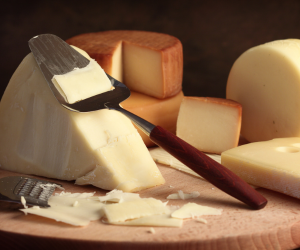
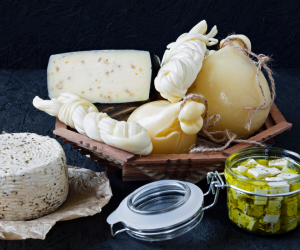
With over 2000 recorded cheese varieties worldwide, it's safe to say cheese is not only a product of gastronomy but of cultural heritage and evolving culinary traditions. Cheese is, indeed, a multi-layered marvel, evoking a spectrum of tastes and textures that can leave a lasting impression on both the novice taster and the seasoned connoisseur.
Different Types Of Cheese
Hard Cheese
Renowned for their firm texture, hard cheeses offer rich, often salty flavors and a singularly gratifying crunch. An outcome of extended aging periods, these cheeses have a low moisture content and are typically sold as wedges. This category boasts iconic cheeses like Parmesan, Cheddar, and Gouda. Hard cheeses are a delightful study in the intensity of taste. Parmesan, for instance, is defined by its nutty, sweet, and slightly salty flavor, while Cheddar imparts a rich, mellow tang. Particularly high in protein and calcium, these cheeses also offer substantial health benefits. Their robust texture also makes them incredibly versatile, adding depth to pasta, salads, and a myriad of other dishes.
Semi-Soft Cheese
Semi-soft cheeses, as their name suggests, straddle the line between hard and soft cheeses. These varieties, like Havarti or Monterey Jack, have a more buttery texture and delicate flavor due to their medium aging. They demonstrate excellent melting properties, making them a favorite in cooking and baking. Semi-soft cheeses are the preferred choice for melty, gooey sensations. Their creaminess upgrades any dish, and their mellow flavors make them adaptable and easy to pair with a variety of wines and food items. As a bonus, these cheeses are often a good source of vitamins and minerals, thanks to the quality of the milk used and the fermentation processes involved.
Soft Cheese
Soft cheeses are the indulgent, oozy treasures of the cheese world. Cheeses like Brie and Camembert have a smooth and creamy texture, wrapped in an edible rind that adds depth to the overall flavor. Often enjoyed on their own with crackers or fresh bread, the exquisite taste of these cheeses leaves a lingering decadent note on the palate.
Blue Cheese
Blue cheese is the wildcard of the cheese fraternity. Their hallmark is the streaks or spots of blue, gray, or green mold throughout the cheese, lending to their distinctive appearance and flavor profile. Cheeses like Roquefort, Stilton, or Gorgonzola offer robust, piquant flavors, which can range from mildly tangy to intensely sharp. Blue cheeses, intensely flavored and beautifully marbled, bring a unique complexity to the cheese palette. Apart from the undeniable sensory pleasure that they offer, these cheeses are also found to have significant health benefits, including anti-inflammatory properties and a positive impact on cardiovascular health.
In essence, the world of cheese is a rich tapestry of textures and flavors, each type bringing a distinct color that threads into this incredibly diverse and indulgent mosaic. Understanding these types opens the gateway to appreciating cheese in its full glory and allows us to refine our art of cheese cutting and presentation. Thus begins your immersive journey into the gratifying realm of cheese!
The Science Of Cheese Cutting: Understanding Basics
Breaking a piece of cheese may seem as simple as a slice-and-go task; however, the reality is far from this misleading simplicity. Cheese cutting is a craft imbued with science, technique, and a basic understanding of cheese biology. The way you cut your cheese can pronounce or even dull its unique flavor profile, making it an indispensable skill to perfect.
The Effect Of Proper Cheese Cutting On Its Texture And Taste
The intention behind the correct method of cheese cutting goes beyond decorum or tradition – it has a tangible impact on the flavor and texture of the cheese.
When cheese is cut incorrectly, the ratio between the cheese's inner paste and the rind can get skewed. For instance, cutting off the nose (the center point of a cheese wheel) of a Brie means that someone gets a piece with a very high paste-to-rind ratio, whereas a piece from the outer edge has an overabundance of rind. This disruption can shift the intended flavor profile of the cheese, leading to an imbalanced tasting experience.
Choosing The Right Cutting Tool For Each Cheese Type
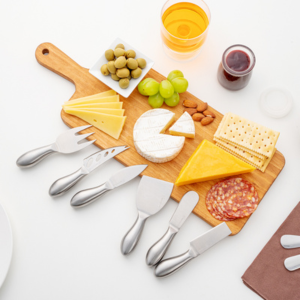
Taking your cheese devotion to the next level necessitates investing in the proper tools. Different varieties of cheese, thanks to their varied textures, require different types of cheese knives to ensure optimal cutting precision and to preserve the integrity of the cheese's formation.
- For hard cheeses, use a knife with a strong and sharp blade, like a Parmesan knife or a cheese cleaver. A sharp blade is necessary to cut through the firm texture without crumbling the cheese.
- Semi-soft cheeses such as Gouda or Provolone can be sliced using a knife with a medium-sized blade. A cheese plane can also be used for thin slices, perfect for sandwiches.
- Soft cheeses like Camembert and Brie demand an entirely different approach. A cheese wire or a soft cheese knife, which features holes that reduce surface contact and prevent the cheese from sticking to the blade, works perfectly for cutting these cheeses without squishing or deforming them.
- For blue cheeses, a thin, narrow blade knife works best, as it cuts through without damaging the intricate veins running through them.
In summary, unlocking the full potential of your chosen cheese involves understanding the science behind cheese cutting and choosing your tools wisely. with knowledge and the correct tools, the doors to a new way of experiencing cheese swing wide open!
Techniques To Cut Different Types Of Cheese
Once you understand the science behind cheese cutting, the concerns of cheese anatomy, optimal flavors, and cutting tools, you're ready to delve into the techniques of correctly cutting cheese. Whether it's a block, a wheel, a hard, soft, or blue cheese - each has its unique blueprint and demands specific cutting techniques to extract maximum flavor and presentation value.
Cutting Cheese Blocks
The cutting technique involves a simple series of steps for blocks of cheeses like Cheddar, Gouda, or Monterey Jack.
- Set the cheese block on its side on a clean cutting board.
- Using a cheese cleaver for hard cheese or a medium-blade knife for semi-soft cheese, make a slice at one end of the block, forming a small cheese plane.
- Now cut perpendicular to the first cut, creating neatly rectangular pieces highlighting the cheese's texture and exposing the right rind-to-paste ratio.
Cutting Cheese Wheels
Cheese wheels, particularly those of soft cheese like Brie, entail a slightly different approach to maintaining an attractive presentation and evenly distributed taste.
- Start by cutting a small wedge, slicing through the center towards the edge of the wheel. For larger wheels, you can continue to quarter or segment it further into eighths.
- Once the wedges are cut, slice them from the rind edge down to the point, maintaining the same rind-to-paste ratio for every piece.
Fine-Tuning The Presentation: Serving Cheese With Flair
The art of cutting cheese extends beyond choosing the right knife and technique. It also involves thoughtfully presenting your cheese selections in a harmonious union of flavors, textures, colors, and visual appeal. This section explores how to finesse your cheese presentation and curate complementary pairings for a memorable gastronomic experience.
Artful Arrangement Tips For A Variety Of Cheese Types, Shapes, And Colors
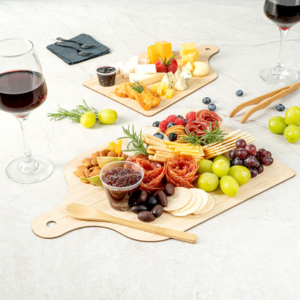
- Choose the right cheese board: Select a large, flat, and sturdy surfaced cheese board, such as a wooden, marble, or slate board, that can comfortably accommodate your cheese selections and accompaniments.
- Cheese Selection: Pick a diverse range of cheese types, including hard, soft, blue, and semi-soft. Varying cheeses from cow, goat, and sheep’s milk offer rich flavors.
- Color And Shape Coordination: Arrange your cheeses visually appealingly, displaying a harmony of shapes and colors. Equally distribute wedges, wheels, and cheese squares for an eye-catching presentation.
- Spacing And Flavor Progression: Begin with the mildest cheese on one end and progressively place stronger cheeses moving towards the other end. Ample spaces between each type will prevent the mingling of flavors.
Complementary Foods And Beverages To Pair With Various Cheeses
- Crackers And Bread: Present neutral accompaniments such as plain crackers and fresh baguette slices highlighting the cheese flavors.
- Fruits And Nuts: Incorporate a balance of sweetness and crunch with fresh or dried fruits like apples, grapes, and apricots and roasted or raw nuts such as almonds or walnuts.
- Charcuterie: Add a savory element with cured meats like salami, prosciutto, or soppressata.
- Wine And Other Beverages: Pair hard, strong cheeses with full-bodied wines and softer, milder cheeses with lighter wines, sparkling water, iced tea, or craft beers add a refreshing, palate-cleansing touch.
Presentation Ideas To Enhance The Visual Appeal And Taste Experience For Guests
- Serving Temperature: Allow cheeses to reach room temperature before serving to fully express their intended flavor profiles.
- Cheese Markers And Labeling: Label cheeses with elegant markers to help guests identify their choices while adding a refined touch to your presentation.
- Decorative Details: Adorn your cheese board with edible flowers, fresh herbs, or rosemary sprigs for aesthetically pleasing and fragrant accents.
- Guiding Pairings: Suggest optimal flavor pairings for each cheese by placing its ideal "vehicle" alongside it, such as a specific cracker, bread, or fruit slice.
By meticulously attending the presentation and pairings of your cheese board, you elevate the experience from a mere tasting to a multisensory event that engages and delights your guests. The fine-tuned harmony of flavors, textures, and visuals makes serving cheese an art form, and your well-crafted cheese board is the masterpiece that brings people together.
Sourcing Cheese-Cutting Supplies
When it comes to properly cutting cheese, having the right tools can make all the difference between a clean, visually appealing presentation and a disheveled mess. This section of the blog delves into how to find quality cheese-cutting supplies, knives, wires, and platters, as well as reviews and recommendations for essential cheese-cutting tools and accessories.
Finding Quality Cheese-Cutting Supplies, Knives, Wires, and Platters
- Specialty Kitchen Stores: Visit local stores or online retailers that specialize in kitchenware. These stores often carry a vast selection of cheese knives, wires, and platters, ranging from basic to high-end collections.
- Dedicated Cheese Shops: Cheese shops not only sell an array of cheeses but may also stock essential cheese-cutting tools. Consult knowledgeable staff for guidance on selecting the right tools for your needs.
- Online Marketplaces: Browse popular shopping platforms like Amazon, eBay, or Etsy to find various cheese-cutting supplies. Reading customer reviews and product descriptions can help you make an informed decision.

The Importance of Proper Cheese Cutting and Presentation for Enjoyability and Dining Experiences
The art of cutting cheese goes beyond aesthetic presentation, offering several benefits that enhance the overall cheese-tasting experience:
- Maximize Flavor And Texture: Properly cut cheese allows its unique flavors and textures to shine, providing the optimal tasting experience.
- Visually Appealing Presentation: A well-crafted cheese board entices guests and adds a touch of elegance to any occasion.
- Elevated Dining Experience: Meticulous cheese cutting and presentation transform a simple cheese tasting into a memorable, multisensory encounter for guests.
Explore And Experiment Your Newfound Cheese Cutting Knowledge
Armed with the principles of cheese cutting, we enthusiastically encourage you to boldly venture into the wide and varied world of cheese, thereby expanding your culinary horizons. There's so much out there to experience and enjoy. For instance, sample new cheese varieties. Broadening your cheese repertoire by exploring lesser-known or exotic cheeses will open up a world of tantalizing flavors and textures.
Another exciting adventure could be organizing a cheese-tasting event. This excellent opportunity not only provides a platform to showcase your newfound cheese expertise but also fosters shared experiences with friends and family. Furthermore, don't be afraid to experiment with unique pairings. Dare to create unconventional combinations by pairing various cheeses with unexpected foods and beverages. You might just stumble upon the next iconic duo. Mastering the art of cheese cutting enables you to fully appreciate each cheese's nuances, providing your guests with an unforgettable gastronomic journey. Always remember, with every perfectly sliced wedge, you unlock new taste sensations and stories, fostering cherished connections around the cheese board. So go forth and slice, taste, and enjoy!