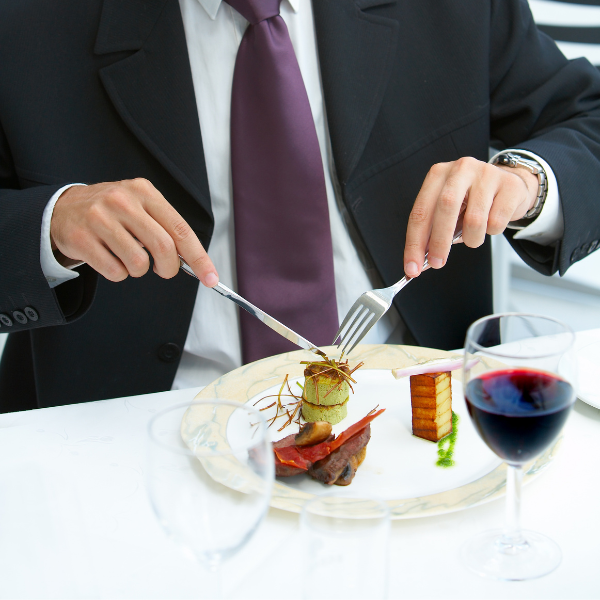
In the culinary world, the art of food presentation is as crucial as the taste itself. For chefs and foodservice professionals, every detail matters, from the color palette of a dish to the textures that entice diners. One often underestimated tool in this creative arsenal is the humble grater. More than just a kitchen staple, graters are pivotal in transforming the aesthetic appeal of dishes, offering diverse textures and intricate garnishing possibilities. This guide explores how graters can elevate food presentation, enhancing both the visual appeal and dining experience.
Understanding Grater Styles and Uses
Graters are versatile tools that come in various styles, each serving a unique purpose in food presentation. Understanding the different grater types can help chefs make informed choices:
- Microplane Graters: Ideal for zesting citrus fruits and grating hard cheeses. They produce fine, fluffy textures that are perfect for delicate garnishes.
- Box Graters: Multi-sided for versatility, box graters offer different grating sizes. They are excellent for shredding vegetables like carrots or cabbage, adding substantial texture to salads and slaws.
- Rotary Graters: Best for grating cheese quickly and efficiently, these are favored for tableside service in restaurants, enhancing both food and presentation.
Each grater type offers unique benefits, allowing chefs to choose the right tool based on the desired texture and presentation needs.
Grater Techniques for Garnish
Using graters skillfully can transform ordinary dishes into culinary masterpieces. Here are some techniques to consider:
Zesting for Aromatic Accents: A microplane grater can be used to zest lemons, limes, or oranges, adding a burst of color and fragrance to desserts or seafood dishes. This technique not only enhances flavor but also visually brightens the plate.
Creating Vegetable Curls: Use a box grater to create long, thin vegetable strands or curls that can be artistically arranged atop main courses or salads. This adds height and visual interest to the dish.
Cheese Dusting: Finely grate Parmesan or aged cheddar over pasta or soups for a light, airy cheese topping that melts beautifully and enhances both taste and visual appeal.
Tips for Choosing the Right Grater for Your Kitchen
Selecting the appropriate grater is vital for achieving the desired food presentation. Here are some factors to consider:
- Durability: Opt for professional graters made from stainless steel to withstand frequent use.
- Ease of Cleaning: Choose designs that are dishwasher-safe to maintain hygiene standards and save time.
- Size and Storage: Consider the storage space available in your kitchen and choose a grater that fits comfortably.
By investing in quality graters, foodservice professionals can ensure reliability and performance, enhancing both the efficiency and creativity of their kitchens.
Innovative Garnishing Ideas Using Graters
To further enhance food presentation, chefs can experiment with innovative garnishing ideas:
Infused Salts: Grating citrus or herbs into coarse sea salt creates custom blends for seasoning, which can be sprinkled tableside for a dramatic flair.
Chocolate Shavings: Use a microplane to create delicate chocolate shavings that can adorn desserts, adding a touch of elegance and indulgence.
Nut Toppings: Finely grate nuts like almonds or walnuts over desserts or salads to introduce a crunchy texture and nutty flavor.
Graters are indispensable tools for any foodservice operation aiming to enhance food presentation. By selecting the right grater and mastering various techniques, chefs can transform the visual and sensory appeal of their dishes. For those looking to explore a range of professional graters, Restaurantware offers an extensive selection designed to meet the needs of modern culinary professionals. Discover how our products can elevate your food presentation today.