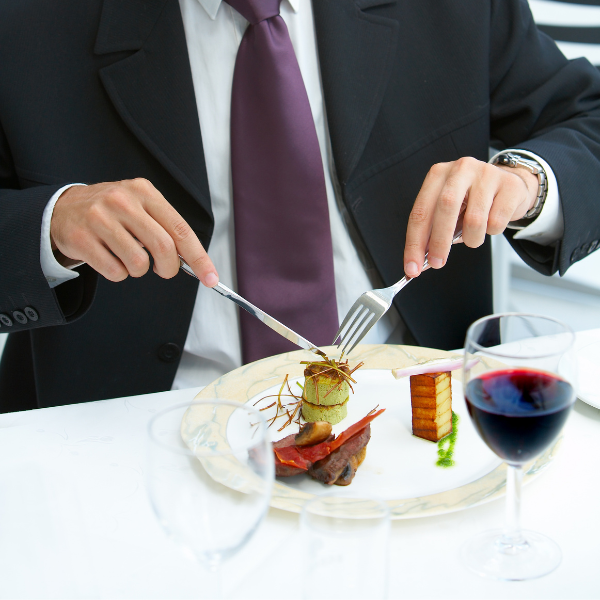
As plant-based diets grow in popularity, the art of plant-based dish presentation has become a crucial skill for foodservice professionals. With diners increasingly seeking visually appealing meals that reflect their dietary choices, mastering the presentation of vegan and vegetarian dishes can set your establishment apart. This guide will explore practical techniques and tools to enhance the visual appeal of your plant-based offerings, ensuring they leave a lasting impression on your guests.
Understanding the Basics of Plant-Based Food Presentation
When it comes to plant-based food presentation, understanding the unique characteristics of these dishes is key. Plant-based meals often feature vibrant colors, diverse textures, and fresh ingredients, making them naturally appealing. However, without careful attention to detail, these elements can be easily overlooked. Here are some foundational tips:
- Highlight natural colors: Use the rainbow of hues found in fruits and vegetables to create eye-catching dishes.
- Play with textures: Combine crunchy, soft, and creamy elements to add depth and interest.
- Balance the plate: Aim for a harmonious composition that draws the eye and complements flavors.
For instance, consider a chef at a vegan restaurant who uses a mix of roasted golden beets, sautéed greens, and a creamy cashew sauce to create a stunning entrée that not only tastes good but also looks appealing.

Innovative Plating Techniques for Vegan Dishes
Beyond the basics, vegan dish plating techniques can transform a simple meal into an artistic creation. Implementing innovative methods can elevate the dining experience and increase customer satisfaction. Here are some techniques to try:
Layering: Create visual interest by stacking ingredients or layering components. This technique works well for dishes like lasagna or layered salads.
Negative space: Use empty space strategically to draw attention to the main elements of the dish. This minimalist approach can enhance the sophistication of your presentation.
Garnishing: Thoughtfully selected garnishes can add a pop of color and flavor. Fresh herbs, edible flowers, and microgreens are excellent choices for garnishing plant-based dishes.
Choosing the Right Tools for Plant-Based Plating
To achieve professional results, selecting the right plant-based plating tools is essential. The right equipment can simplify the process and improve the quality of presentation. Consider investing in the following:
- Tweezers: Precision tweezers help place delicate garnishes with accuracy.
- Ring molds: These tools are perfect for shaping ingredients into neat layers or circles.
- Squeeze bottles: Use for artful drizzling of sauces and purees.
In a bustling kitchen, these tools can save time and allow for consistency across multiple dishes, ensuring every plate meets your high standards.
Creative Presentation Ideas for Plant-Based Meals
For chefs seeking to push creative boundaries, exploring plant-based meal presentation ideas can yield impressive results. Here are some concepts to inspire your next dish:
Edible art: Treat the plate as a canvas and use ingredients like beet puree or avocado mousse to paint vibrant strokes.
Themed presentations: Align the presentation with a theme or season, such as using pumpkin seeds and squash ribbons for a fall-inspired dish.
Interactive elements: Engage diners with elements they can assemble themselves, such as DIY taco platters or build-your-own salad bowls.
Ensuring Consistency Across Multiple Locations
For operators managing multiple locations, maintaining consistency in plant-based culinary presentation is crucial. Here are some strategies:
- Standardized training: Develop a training module focused on plating techniques to ensure staff consistency.
- Unified recipes: Use standardized recipes and plating guides to maintain uniformity.
- Regular audits: Conduct regular audits to ensure adherence to presentation standards.
A restaurant group might implement a centralized training program, ensuring all chefs are equipped with the skills needed to deliver consistently beautiful dishes across locations.
FAQ: Common Questions About Plant-Based Dish Presentation
Q: How can I make plant-based dishes more visually appealing?
A: Use vibrant colors, varied textures, and creative garnishing to enhance visual appeal.
Q: What tools are essential for professional vegan food plating?
A: Tweezers, ring molds, and squeeze bottles are invaluable for precise and creative plating.
Q: How do I ensure consistency in presentation across multiple locations?
A: Implement standardized training, unified recipes, and regular audits to maintain consistency.
For those looking to elevate their plant-based dish styling, explore Restaurantware’s collection of premium plating tools and sustainable packaging options. Discover how our products can support your culinary creativity and operational efficiency.